Unraveling Compliance Pathways That Shape Initial Reward Access Across Wireless Table Simulations

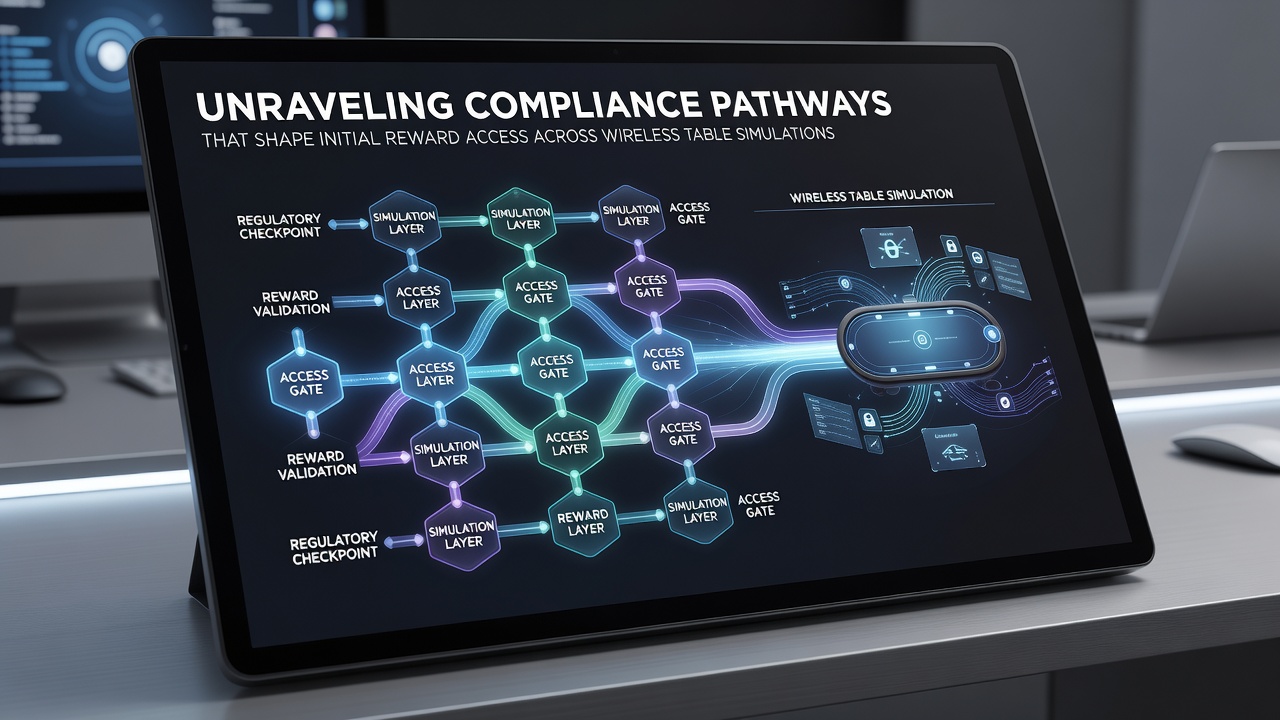
Regulatory frameworks across multiple jurisdictions establish structured compliance pathways that determine how users gain access to initial rewards within wireless table simulations and these pathways integrate identity verification protocols with geographic restrictions along with transaction monitoring systems to align with local statutes. Observers note that developers of such simulations must navigate layered approval processes before releasing any entry-level incentives and data from industry reports indicate these steps directly influence reward availability on portable devices.
Core Elements of Compliance Structures in Mobile Environments
Jurisdictional authorities require specific authentication sequences that combine biometric data with account linkage procedures while users attempt to unlock starting bonuses in table game applications and these sequences often incorporate real-time location tracking to enforce boundary rules set by regional gaming bodies. Research indicates that platforms operating in North American markets frequently align their systems with standards from the New Jersey Division of Gaming Enforcement which outlines verification benchmarks that affect reward distribution timelines. Experts have observed similar alignments occurring in Australian contexts where the Australian Communications and Media Authority provides guidelines on digital access controls that shape how initial incentives reach eligible participants in wireless settings.
Verification protocols typically unfold through sequential stages beginning with age confirmation and progressing to financial source checks and these stages connect directly to reward activation because incomplete compliance halts the process at any point. Studies from academic institutions reveal that streamlined pathways reduce drop-off rates during onboarding yet still maintain required safeguards against unauthorized access across simulated card and table environments.
Regional Variations Affecting Reward Pathways
Different regions impose distinct requirements that alter the sequence and complexity of compliance steps leading to initial reward access in wireless table simulations and European frameworks often emphasize data protection integration alongside gaming rules. Canadian provincial regulators apply similar but separate criteria that demand additional documentation layers for cross-border users attempting to engage with portable simulation platforms. Figures from regulatory summaries show that by June 2026 several jurisdictions had synchronized their digital verification standards to facilitate smoother transitions between compliance checks and reward delivery without compromising oversight.
Take one case where a simulation provider adjusted its mobile interface to accommodate updated location services mandated by state authorities and this adjustment allowed faster progression through compliance gates for verified users seeking entry incentives. Data shows that such adaptations correlate with higher completion rates for reward claims because the pathways become more intuitive while remaining fully documented.
Integration of Technology With Regulatory Demands
Advanced encryption methods and automated monitoring tools combine to support compliance pathways that govern initial reward access and these technologies enable continuous auditing of user activities within wireless table simulations. Researchers have documented how machine learning applications assist in flagging potential discrepancies during verification yet preserve user privacy standards mandated by oversight entities. Platforms that incorporate these tools report improved alignment with evolving rules that emerge as new wireless standards develop.
Transaction logging systems feed into broader compliance networks that track reward redemptions back to verified accounts and this linkage ensures that initial incentives distributed across portable devices meet jurisdictional criteria. Evidence suggests that providers maintaining robust backend connections to regulatory databases experience fewer interruptions when releasing starting rewards to eligible participants in simulated table settings.
Future Adjustments in Compliance Pathways
Ongoing refinements to compliance structures continue to reshape access mechanisms for initial rewards as wireless technologies advance and regulatory bodies update their specifications accordingly. Industry analyses highlight that synchronization efforts among different regions could further standardize certain verification elements while preserving local control over reward eligibility rules. Those who track these developments note incremental changes that gradually influence how simulations deliver entry-level incentives on mobile platforms.
Conclusion
Compliance pathways remain central to determining reward access across wireless table simulations because they bridge regulatory requirements with technical delivery mechanisms in digital environments. Continued monitoring of jurisdictional updates provides insight into how these structures evolve and affect user progression from verification to incentive receipt. Data from multiple sources confirms that effective integration of compliance elements supports consistent reward distribution while upholding established oversight standards.