Tracing Jurisdictional Influences on Starting Reward Structures for Interactive Card Simulations on Portable Devices

Interactive card simulations on portable devices have grown into a distinct category within digital entertainment, and their starting reward structures reflect the regulatory frameworks of the regions where they operate. These structures typically include initial bonuses, matched deposits, or free play credits that users receive upon first engagement with games such as digital blackjack or poker applications. Jurisdictional rules determine the size, eligibility, and delivery methods of these incentives, creating noticeable variations across markets.
Regulatory Foundations Across Regions
Different authorities establish guidelines that directly shape how developers structure entry-level rewards. In the United States, state-level gaming commissions set parameters for promotional offers tied to real-money card simulations, with some requiring specific disclosure of wagering requirements before users access any starting credits. European jurisdictions apply consumer protection directives that cap bonus percentages and mandate clear terms for portable device users, while certain Asian regulatory bodies focus on licensing conditions that tie reward availability to verified age and location data.
Observers note that these frameworks often emerge from broader efforts to balance industry growth with player safeguards. Data from industry reports indicate that regions with stricter licensing processes tend to feature reward structures with lower maximum values compared to more permissive environments, yet they frequently include enhanced verification steps that affect how quickly users can claim incentives on mobile platforms.
Technical Adaptations in Mobile Ecosystems
Developers adjust reward delivery systems to align with local compliance layers, and this process influences everything from app interface design to transaction handling on portable devices. For instance, applications must incorporate geolocation tools that activate or restrict starting bonuses based on user position, a requirement enforced in multiple North American and Oceanic territories. Research indicates that such technical measures have led to standardized protocols where reward credits appear only after users complete jurisdiction-specific registration sequences.
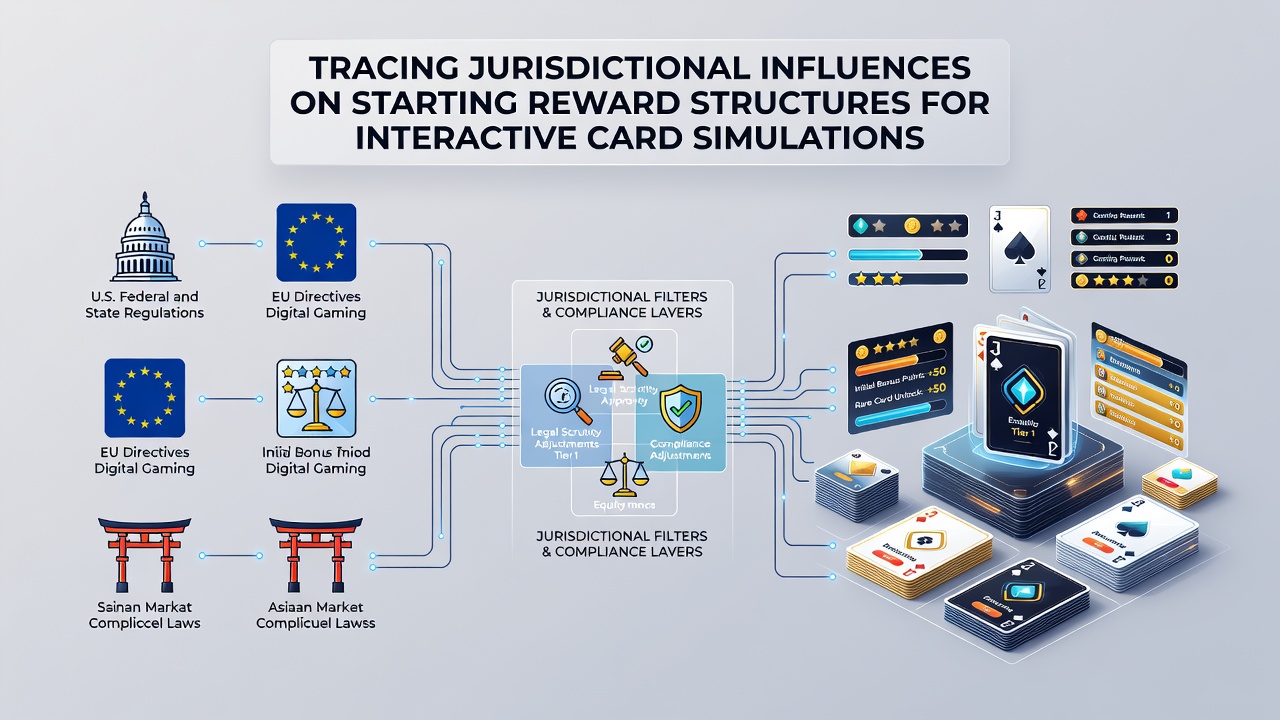
What's interesting is how these adaptations create layered user experiences. A single application might present different starting reward options depending on the detected regulatory zone, and developers achieve this through backend configurations that reference updated legal databases. Figures from technology assessments reveal that mobile card simulation platforms undergo frequent code revisions to accommodate rule changes, particularly when new legislation takes effect in June 2026 across several coordinated jurisdictions.
Comparative Examples from Key Markets
Take the situation in select Canadian provinces where provincial gaming authorities require that starting rewards for interactive card applications include mandatory time limits on usage. This rule contrasts with approaches in certain Australian states, where emphasis falls on responsible gaming messaging integrated directly into the reward claim process. Those who've examined cross-border data note that reward redemption rates vary accordingly, with time-bound offers showing different engagement patterns than messaging-focused ones.
Further distinctions appear in Latin American markets that have recently expanded digital gaming licenses. Here, reward structures often incorporate local currency matching tied to national banking regulations, which affects how portable device users receive and convert initial credits. According to reports from regional trade associations, these currency-linked incentives have prompted developers to build flexible payout engines that handle multiple compliance standards within one application framework.
Data Patterns and Compliance Trends
Studies compiled by international research institutions show consistent correlations between regulatory stringency and reward design elements. Platforms operating under comprehensive oversight tend to feature modular bonus systems that allow rapid reconfiguration when rules shift, and this flexibility proves essential during periods of legislative transition. Evidence suggests that June 2026 will mark implementation dates for updated verification standards in multiple areas, requiring additional documentation steps before starting rewards activate on mobile card simulations.
Industry organizations have documented how these changes influence user acquisition strategies. Applications must now account for varying tax treatments on promotional credits across borders, leading to differentiated reward menus that present jurisdiction-appropriate options from the initial download screen onward.
Future Alignment Considerations
Experts tracking these developments point to ongoing harmonization efforts among neighboring jurisdictions. Such initiatives aim to reduce discrepancies in reward structures for interactive card simulations, though full alignment remains distant. Developers continue to monitor legislative calendars to anticipate adjustments that could alter bonus eligibility or delivery timelines on portable devices.
Conclusion
Jurisdictional influences continue to define the parameters of starting reward structures in mobile card simulations through licensing conditions, technical requirements, and consumer protection measures. These factors produce distinct regional patterns that developers address via adaptable systems and compliance protocols. As regulations evolve, particularly with updates scheduled around June 2026, the interplay between local rules and reward design will shape how users encounter initial incentives across portable platforms. National Conference of State Legislatures reports and analyses from the European Gaming and Betting Association provide ongoing documentation of these regulatory dynamics.