Security Protocols Powering Reward Access in Borderless Mobile Wagering Systems
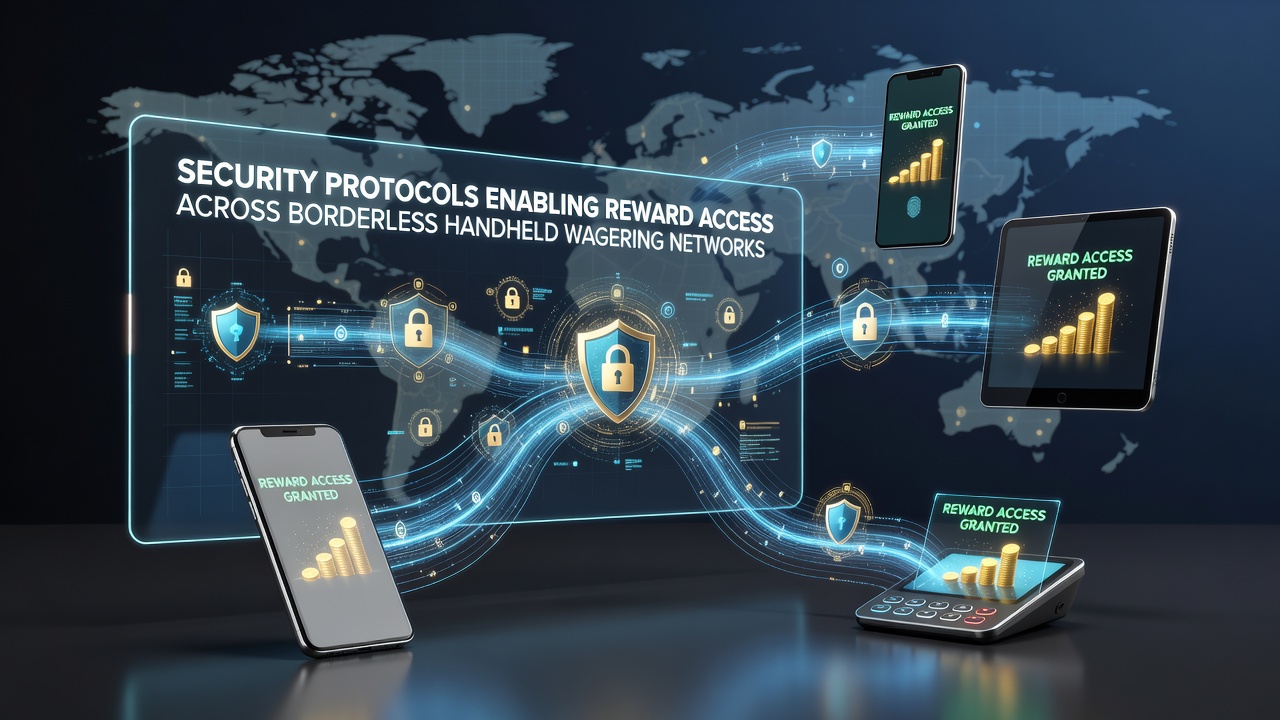
Security protocols form the backbone of reward distribution in handheld wagering networks that operate without fixed borders, allowing users to claim bonuses and incentives while moving between regions and platforms. These systems rely on layered encryption standards, multi-factor authentication sequences, and real-time compliance checks that align with varying jurisdictional requirements around the world. Data from industry reports shows that mobile wagering volumes continue to rise in 2026, with July figures indicating sustained growth in cross-border sessions tracked by operators in multiple continents.
Encryption Foundations for Seamless Reward Delivery
Advanced encryption methods such as AES-256 combined with TLS 1.3 create secure channels that protect transaction data and user credentials during reward claims, while quantum-resistant algorithms appear in newer deployments as testing expands. Observers note that these measures prevent interception attempts even when signals travel through international networks, and studies from research institutions confirm reduced breach incidents where layered encryption operates consistently. The protocols integrate tokenization techniques that replace sensitive details with unique identifiers, ensuring rewards reach verified accounts without exposing core financial information across handheld devices.
Authentication Mechanisms Across Regions
Multi-factor authentication frameworks, including biometric verification paired with one-time codes sent via secure apps, verify user identity before unlocking promotional access in borderless environments. Researchers discovered that behavioral analytics add another dimension by monitoring usage patterns and flagging anomalies in real time, which helps maintain integrity when accounts interact with networks spanning different regulatory zones. Those who've examined system logs often find that adaptive authentication adjusts security levels based on location signals and device history, allowing legitimate reward redemptions to proceed without unnecessary delays.
Compliance Layers and International Standards
Regulatory alignment plays a central role as protocols map onto frameworks from bodies such as the Malta Gaming Authority and the Australian Communications and Media Authority, each imposing distinct requirements for data handling and reward transparency. Figures reveal that operators updated their systems in early 2026 to meet evolving directives, with July implementations focusing on automated reporting tools that share compliance data across borders without compromising user privacy. Industry organizations like the European Gaming and Betting Association document how these alignments reduce friction for users accessing incentives on portable platforms, although coordination challenges persist where laws differ sharply between neighboring jurisdictions.
One study revealed that integrated dashboards now allow operators to track reward eligibility against local rules while maintaining a unified user experience, and experts have observed fewer access denials when protocols incorporate dynamic rule engines. What's significant is the shift toward shared databases that flag restricted accounts instantly, protecting both operators and participants in these expansive networks.
Case Examples from Expanding Networks
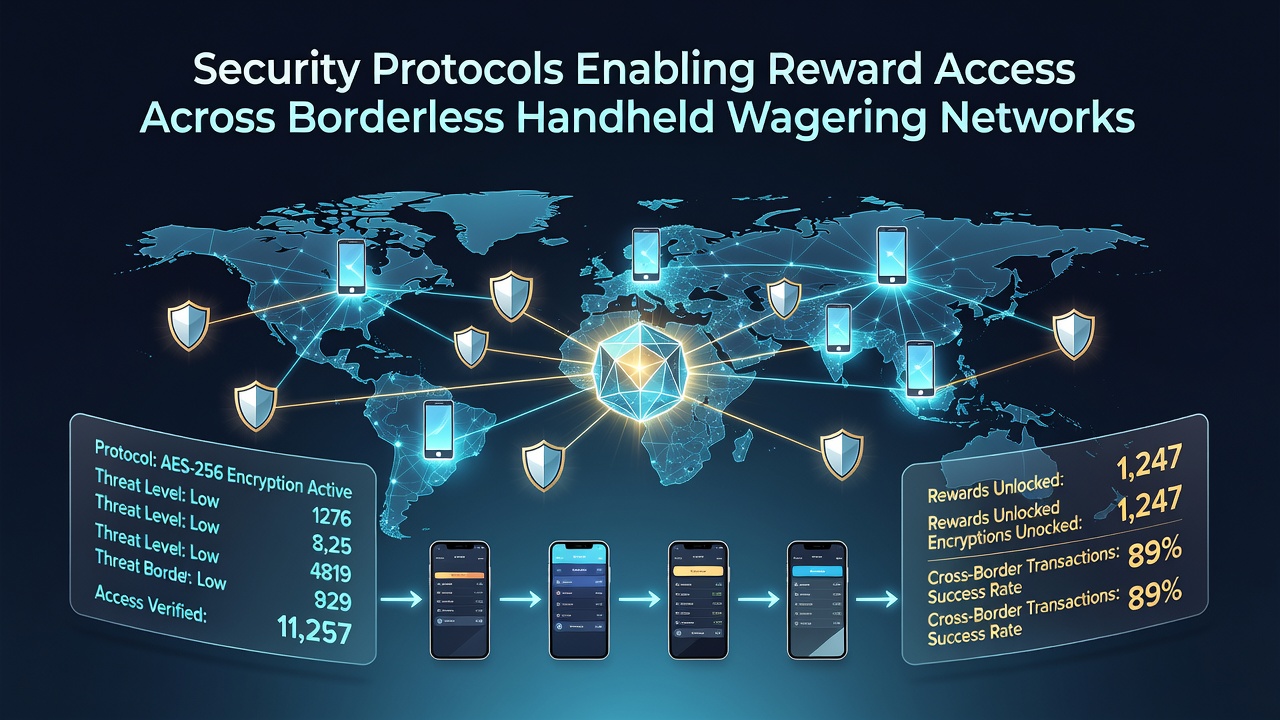
Take one operator who deployed cross-platform reward systems in mid-2026 and recorded a measurable increase in successful redemptions after strengthening protocol handshakes between mobile apps and central servers. There's this case where researchers tracked transaction flows across three continents and found that end-to-end encryption cut unauthorized attempts by substantial margins, while maintaining fast access for verified users. People who've analyzed these deployments often discover that combining hardware security modules with cloud-based key management creates resilient barriers against evolving threats.
Future Developments in July 2026 and Beyond
July 2026 marks a period when several networks introduced pilot programs for AI-driven threat detection that scans reward requests for subtle manipulation patterns, and preliminary results indicate improved accuracy over previous manual reviews. Those who've studied the rollout note integration with emerging 5G infrastructure that supports quicker verification cycles without sacrificing encryption depth. Academic papers from university research groups highlight how these advancements could standardize security expectations across more regions, reducing the patchwork of requirements that currently complicates global operations.
Conclusion
Security protocols continue to evolve as the foundation for reliable reward access in borderless handheld wagering networks, balancing protection with accessibility through encryption, authentication, and compliance integration. Data indicates steady progress in system resilience, and ongoing refinements in July 2026 reflect broader industry efforts to support secure cross-border participation. The frameworks in place today demonstrate how technical measures enable consistent user experiences while adapting to diverse regulatory landscapes worldwide.