Regulatory Diversity Among States Forging New Avenues for No-Deposit Mobile Table Game Access
State governments across the country have developed distinct regulatory approaches that enable pathways to no-cost playtime within mobile table game ecosystems, and these frameworks continue to evolve through legislative adjustments along with administrative oversight. Data from various gaming commissions shows how each jurisdiction tailors rules around sweepstakes models, promotional credits, and free-to-play mechanics to fit local priorities while maintaining compliance standards. Observers note that this patchwork creates opportunities for developers to adapt table game simulations like blackjack or poker variants for portable devices without requiring initial deposits in certain regions.
Core Mechanisms Driving No-Cost Access
Legislatures in multiple states authorize operators to offer virtual currency or entry incentives tied to promotional activities, and this setup allows users to engage in table game sessions through mobile apps under specific conditions. Research indicates that states differentiate their policies based on definitions of consideration versus skill-based elements, which in turn shapes how providers structure reward systems for interactive card simulations. Those who've examined the frameworks point out that some jurisdictions emphasize consumer protection clauses that cap session lengths or enforce age verification protocols before granting access to no-deposit features.
Regulatory bodies enforce transparency requirements around odds disclosure and payout structures even in free-play environments, while operators must integrate these elements into their mobile platforms from the outset. Figures reveal steady growth in states where such models receive approval, particularly as device compatibility expands and software updates align with compliance layers.
Regional Examples Illustrating Varied Pathways
One state permits promotional play credits derived from loyalty programs or third-party partnerships, and this approach integrates seamlessly with mobile table game ecosystems by linking user accounts across sessions without financial commitments. Another jurisdiction focuses on sweepstakes-style entries where participants earn chances through non-monetary actions, leading to extended access periods for simulated dealer interactions on smartphones and tablets. Experts have observed that these differences emerge from historical gaming statutes that predate widespread mobile adoption, yet they now accommodate digital distribution channels through targeted amendments.
States in the Midwest and Northeast often incorporate provisions for educational resources within their free-play mandates, whereas western regions prioritize technological audits of random number generators used in no-cost table game rounds. Data shows these alignments reduce friction for users while preserving oversight mechanisms that track engagement metrics without monetary transactions.
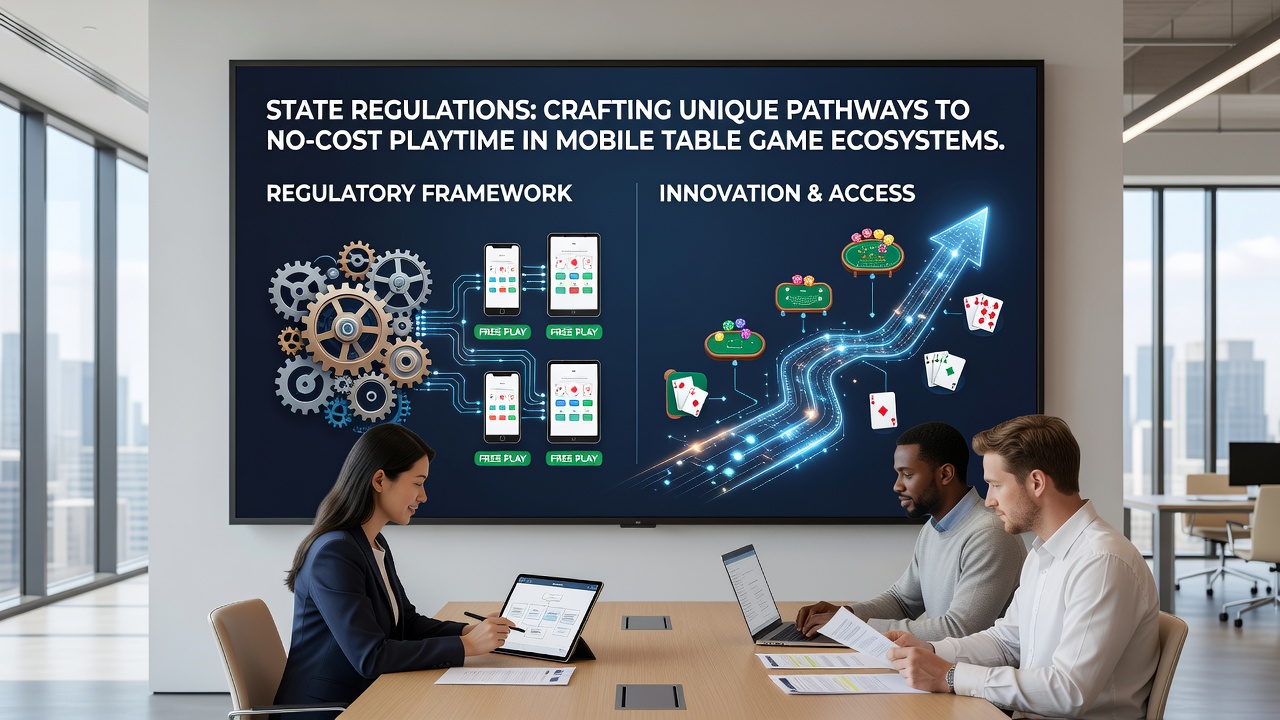
August 2026 Developments and Ongoing Adjustments
By August 2026 several states completed reviews of their existing mobile gaming statutes, and updates clarified how promotional pathways could expand without crossing into real-money wagering territory. These revisions addressed emerging technologies such as cloud-based rendering for table games and cross-device synchronization, which in turn influenced how operators deliver no-cost experiences. Reports from regulatory agencies highlight increased collaboration between state officials and industry groups to standardize verification processes across borders.
Additional states introduced pilot programs testing integration of free-play modules with broader entertainment platforms, and early results indicate higher retention rates when users encounter familiar table game mechanics through these regulated channels. Observers note that such experiments build on prior frameworks while introducing fresh compliance checks tailored to portable ecosystems.
Implications for Developers and Platform Providers
Software companies respond to these regulatory signals by embedding flexible reward engines into their mobile applications, and this allows quick reconfiguration based on the state where a user registers. According to Nevada Gaming Control Board documentation, alignment with local rules often requires modular code that separates promotional logic from any paid features. Industry reports further show that providers who map these requirements early gain advantages in multi-state rollouts for table game titles.
Security protocols play a central role as well, with encryption standards mandated to protect user data during no-deposit sessions, and states vary in their audit frequency for these systems. Research from academic institutions examining digital entertainment trends reveals that jurisdictions with clearer guidelines see faster innovation cycles among developers focused on mobile table simulations.
Conclusion
State regulations continue to craft unique pathways that support no-cost playtime in mobile table game ecosystems through a combination of legislative nuance, administrative guidance, and technological adaptation. Patterns across different regions demonstrate how localized rules influence everything from credit distribution to verification workflows, creating a dynamic environment where operators and users navigate distinct requirements. As of August 2026, ongoing refinements suggest these frameworks will keep evolving alongside mobile capabilities and user expectations for accessible table game experiences.