Mapping Transaction Methods to Maximize Engagement in Mobile Live Dealer Environments Without Initial Deposits
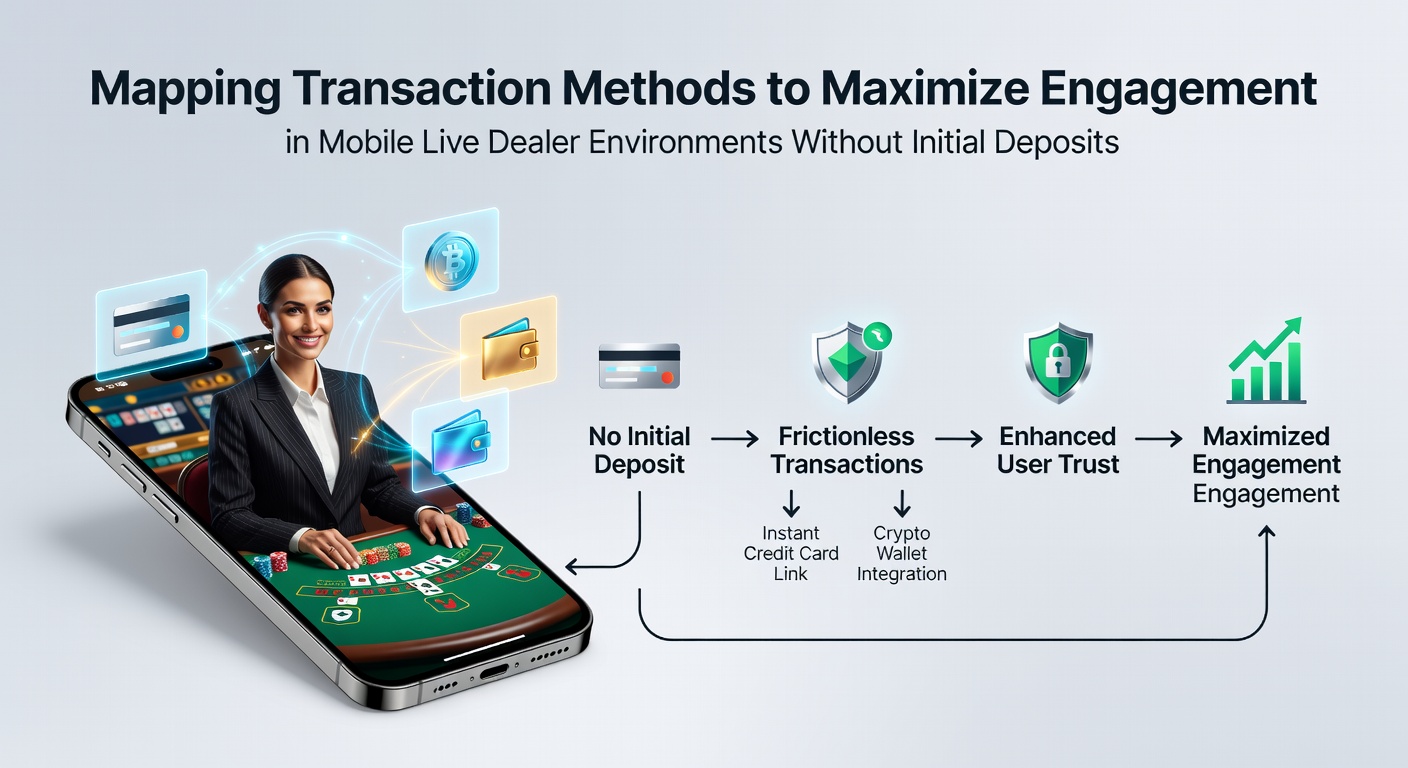
Transaction mapping in mobile live dealer environments without initial deposits involves identifying payment pathways that activate bonuses and maintain player sessions across devices. Observers note that platforms integrate specific gateways to deliver instant access while complying with regional rules, and data from industry reports shows these methods often correlate with higher retention rates in live dealer formats.
Core Payment Categories and Their Mobile Integration
Electronic wallets such as those supporting instant verification enable users to claim no-deposit promotions without linking bank accounts upfront, whereas cryptocurrency options provide pseudonymous entry points that align with live dealer tables requiring rapid confirmations. Bank transfers, by contrast, typically serve as secondary verification tools once initial engagement begins through bonus credits, and researchers have documented how these distinctions influence session lengths in mobile applications.
Studies indicate that e-wallet transactions process in under 30 seconds on average for bonus activation, which supports continuous play in dealer-hosted games like blackjack and roulette. Crypto methods add another layer through blockchain timestamps that confirm eligibility without traditional banking delays, though availability varies by jurisdiction as of early 2026.
Regulatory Context Shaping Transaction Pathways
Regulatory frameworks across multiple regions require operators to separate promotional credits from deposit-linked funds, which directly affects how transaction methods get mapped for no-deposit users. Figures from gaming associations reveal that jurisdictions permitting expanded mobile access have seen increased adoption of hybrid wallet systems that combine instant bonus delivery with later verification steps.
One documented approach involves mapping low-friction methods like digital wallets to entry-level live dealer rooms, while routing higher-value crypto transfers toward VIP tables once engagement thresholds are met. This segmentation helps maintain compliance and supports sustained participation without requiring upfront funding.
Engagement Metrics Linked to Specific Methods
Analytics platforms track how different transaction types influence time spent at live dealer tables. E-wallet users frequently show quicker transitions from bonus claim to active betting, according to aggregated data sets, while crypto pathways tend to extend session duration through perceived security advantages.
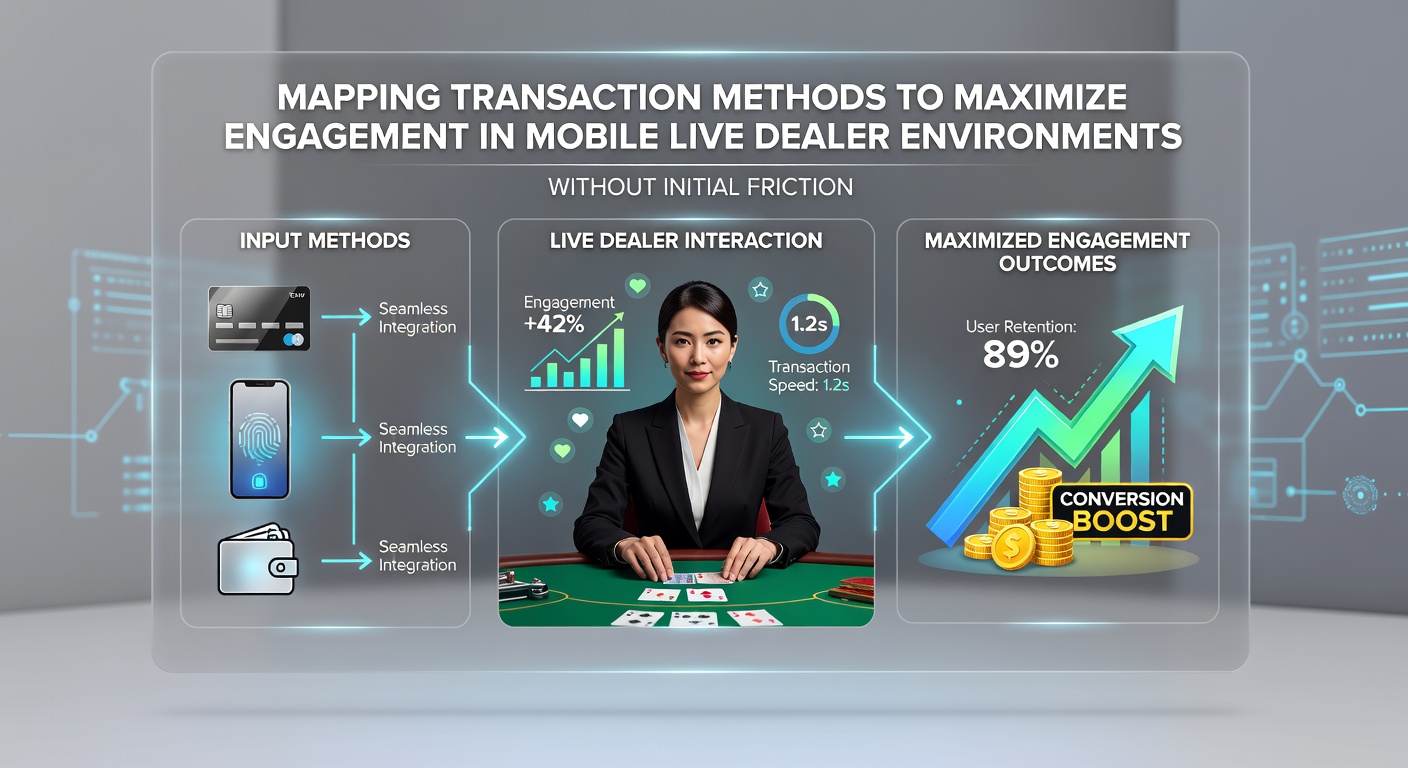
Additional observations highlight that users accessing no-deposit promotions via integrated mobile APIs report fewer drop-offs during dealer interactions, and patterns emerge when comparing regions with varying authorization timelines. Experts have mapped these flows to optimize bonus structures that align with live streaming speeds and mobile interface constraints.
Implementation Examples Across Platforms
Take platforms operating under established licensing bodies where transaction mapping begins with user device detection followed by automatic gateway selection. In these setups, the system routes no-deposit eligible accounts toward e-wallets first, then offers crypto as an upgrade path once live dealer activity reaches defined milestones.
There's this case where operators in competitive markets combined instant wallet approvals with live chat verification to reduce friction, resulting in documented increases in table participation rates. Researchers discovered that such mappings also reduce chargeback incidents because promotional funds remain isolated from deposit mechanisms until users choose to add real funds.
Technical Mapping Considerations for Mobile Environments
API integrations must account for varying mobile operating systems and their security protocols when handling no-deposit transactions. Data indicates that platforms prioritizing lightweight wallet SDKs achieve faster bonus crediting, which keeps users engaged during live dealer rounds that typically last between five and fifteen minutes per table.
Security layers including tokenization and device fingerprinting further support these mappings by preventing duplicate claims while allowing seamless shifts between methods. Observers note that successful implementations often include fallback options, such as switching from wallet to crypto if network latency affects one pathway during peak hours.
Future Trajectories Through 2026 and Beyond
Industry reports project continued refinement of transaction mappings as more mobile live dealer offerings expand, particularly in markets where regulatory clarity has increased since 2024. The emphasis remains on creating fluid connections between no-deposit entry points and sustained engagement features like real-time dealer interactions and progressive bonus unlocks.
Those who've studied adoption curves point to hybrid models that blend traditional e-wallets with emerging digital currencies as a consistent trend, driven by user preference data rather than single-method reliance. This approach maintains accessibility across diverse device types and connection qualities.
Conclusion
Mapping transaction methods for no-deposit mobile live dealer environments centers on matching gateway characteristics to user flow requirements and regulatory boundaries. Evidence from operational data demonstrates that structured approaches using e-wallets, cryptocurrencies, and verification sequencing can support extended engagement while preserving compliance standards. Continued monitoring of regional developments through 2026 will likely influence how these mappings evolve across platforms.