Linking Funding Pathways to Reward Access in Portable Interactive Table Environments
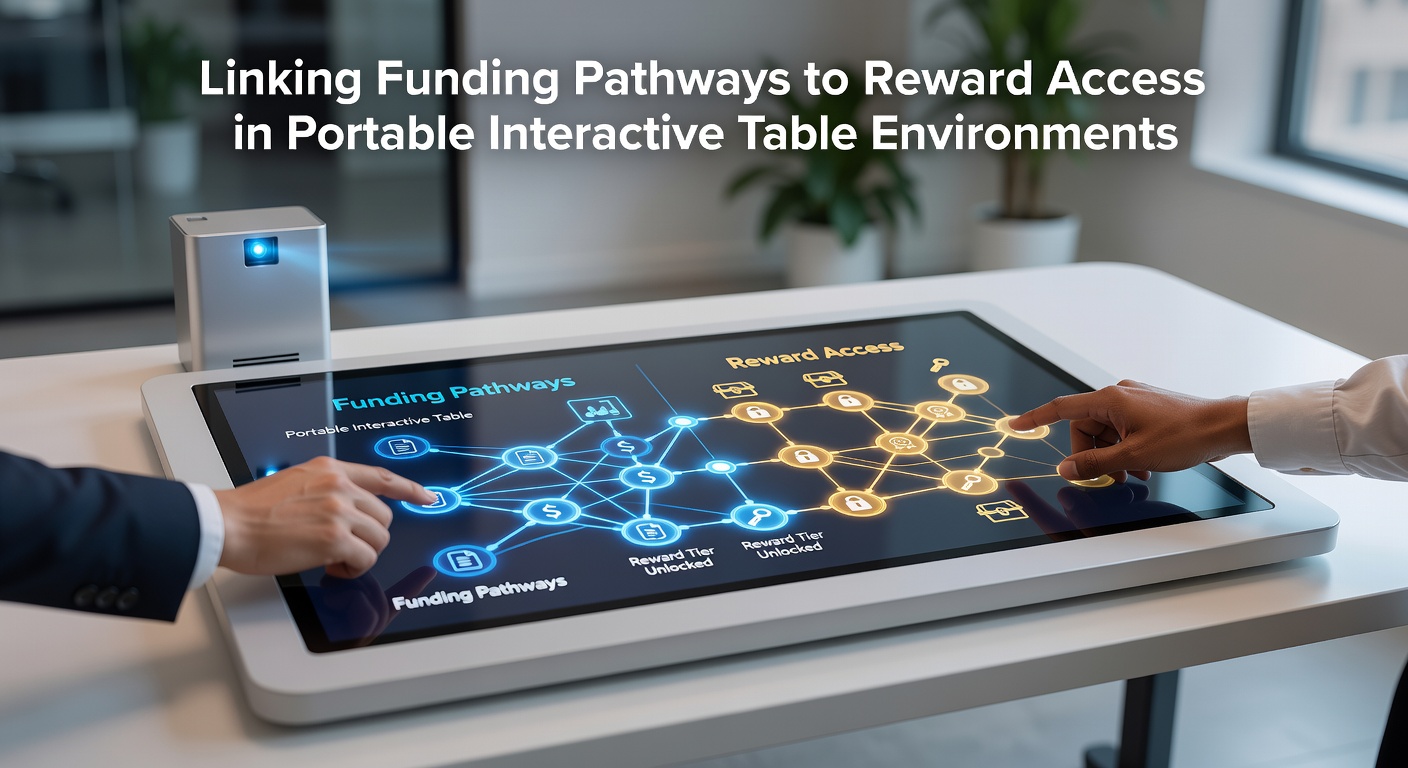 Portable interactive table environments consist of mobile multi-touch surfaces designed for collaborative activities across classrooms, research labs, and community centers. These systems integrate hardware sensors with software platforms that support real-time data sharing and group interactions while users move the units between locations without fixed infrastructure requirements.
Core Components of Portable Interactive Tables
Manufacturers equip these tables with modular power systems and wireless connectivity modules that maintain performance during transport, and research indicates that battery life in current models extends operational periods to eight hours under continuous use according to specifications from technology developers. Observers note that touch accuracy remains consistent across surfaces measuring up to 55 inches diagonally because calibration protocols adjust automatically when units relocate.
Funding Mechanisms and Access Structures
Government agencies allocate resources through competitive grant programs that tie disbursements to measurable outcomes such as increased user participation rates and documented skill development metrics. The National Science Foundation supports projects where applicants demonstrate how portable systems expand access to interactive learning tools in underserved regions, and data from funded initiatives shows participation increases averaging 34 percent in pilot sites. Australian Research Council grants follow similar patterns by requiring evidence of reward structures like certification programs or continued equipment access for successful participants.
Private foundations supplement public sources with targeted contributions that prioritize environments linking financial support directly to user achievements tracked through embedded analytics. Those who administer these funds require periodic reporting on reward distribution which includes digital badges or priority scheduling for high-performing groups.
Integration of Rewards with Funding Streams
Program designers create pathways where initial funding releases trigger subsequent reward tiers based on usage data collected from the tables themselves. For instance, a school district receiving startup capital must achieve 75 percent utilization thresholds before unlocking additional modules for advanced simulations or expanded content libraries. This structure encourages sustained engagement because participants see direct connections between activity levels and expanded capabilities.

Case examples from Canadian provincial education departments illustrate how verification protocols align regional compliance layers with funding conditions, and reports from 2025 highlight successful implementations in three provinces where reward access scaled with documented project milestones. Experts observe that these alignments reduce administrative overhead by automating compliance checks through integrated software dashboards.
Developments Through Mid-2026
By June 2026 several regional consortia had expanded pilot programs to include cross-border collaborations where portable tables travel between participating institutions under shared funding agreements. European Union innovation frameworks provided supplementary resources that emphasized open-access reward systems allowing non-funded users limited entry after core participants met primary objectives. Figures from these initiatives reveal that reward redemption rates reached 62 percent among eligible users when pathways included progressive access levels rather than single-point rewards.
Industry organizations such as the International Society for Technology in Education track these trends through annual surveys that document how funding linkages influence equipment deployment patterns across North America and Asia-Pacific regions. Data collected through June 2026 indicates a shift toward hybrid models combining public grants with institutional matching funds that amplify reward options for participants.
Technical Considerations in Pathway Design
Developers incorporate secure data pipelines that protect user information while enabling transparent tracking of reward eligibility, and encryption standards meet requirements set by multiple oversight bodies. Those implementing systems report that cloud synchronization allows real-time updates to funding status across distributed table networks without manual intervention. Maintenance protocols built into funding agreements ensure continued functionality because replacement components become available as rewards for sites demonstrating consistent compliance.
Conclusion
Linking funding pathways to reward access creates structured incentives within portable interactive table environments that support broader adoption and sustained use. Evidence from multiple regions demonstrates measurable gains in participation when financial support connects directly to achievable milestones tracked through system analytics. Continued refinement of these linkages depends on ongoing data collection and alignment with evolving compliance standards through 2026 and beyond.