Las Vegas Strip Operators Draw Attention from High-Profile Bidders Seeking Privatization

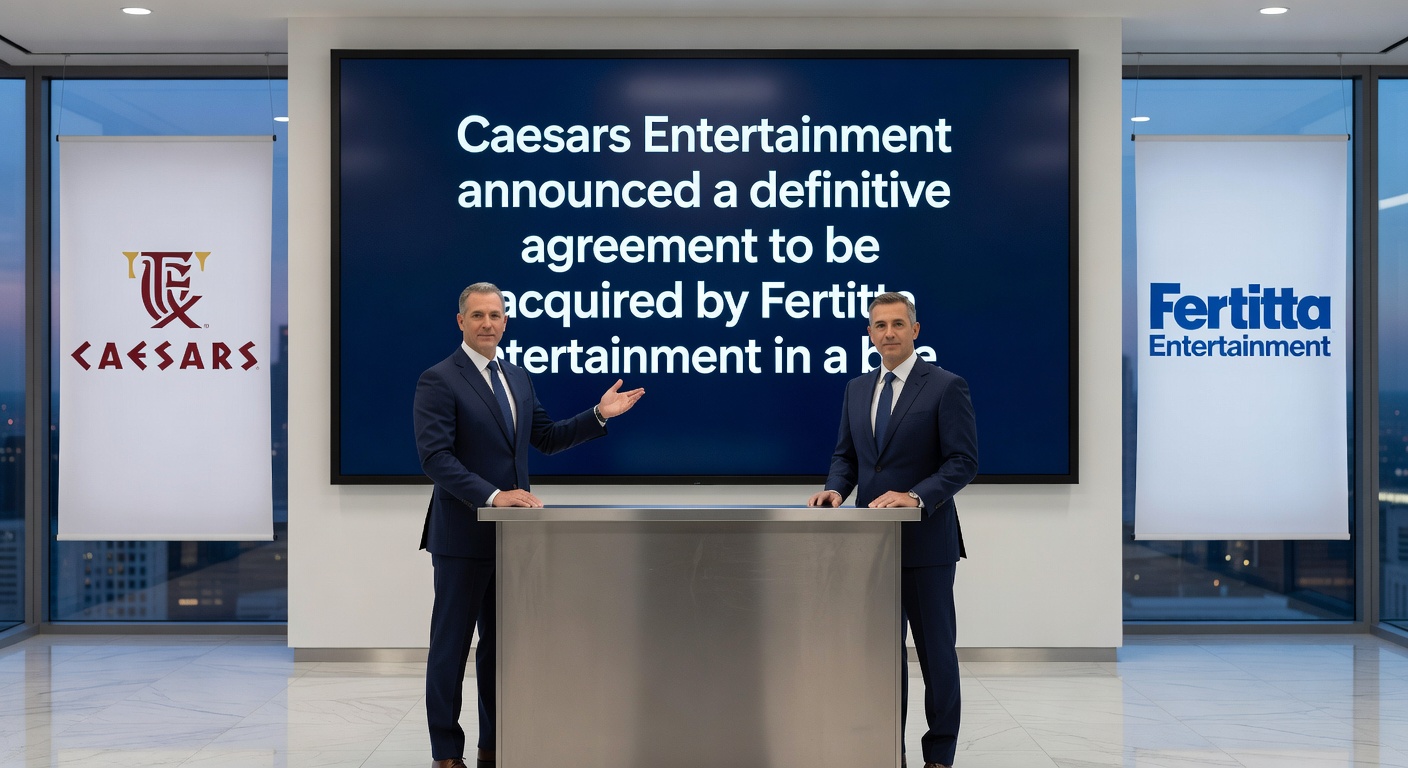
Billionaire Tilman Fertitta has submitted a $17.6 billion proposal to acquire Caesars Entertainment and take the company private, according to filings and reports from mid-2026, with the structure including more than $5 billion in cash plus assumption of nearly $12 billion in existing debt obligations. The offer targets one of the largest operators on the Las Vegas Strip, where Caesars controls multiple major properties that draw significant visitor traffic each year.
Shortly after that announcement, media mogul Barry Diller's firm People Inc. put forward an approximately $18 billion acquisition plan for MGM Resorts International, which values the company at $48.30 per share, while People Inc. already maintains a 26 percent ownership stake in the target. Both proposals would shift these publicly traded casino companies away from the quarterly earnings reporting cycle that comes with public listing status.
Breakdown of the Caesars Transaction Structure
The Fertitta bid combines direct cash infusion with debt assumption to reach the full $17.6 billion valuation, and analysts tracking gaming sector activity note that the mix reduces immediate equity requirements while layering acquisition-related obligations onto the balance sheet. Caesars Entertainment operates numerous Strip resorts that together represent a substantial portion of total room inventory and gaming revenue in the Las Vegas market, so any change in ownership structure draws attention from regulators and industry observers alike.
Completion of the deal would move the company into private hands, freeing management from short-term stock price pressures that often accompany public company status. The transaction remains subject to approvals from the Nevada Gaming Control Board and other relevant authorities, with timelines extending through the remainder of 2026.
MGM Resorts Proposal from People Inc.
People Inc.'s offer for MGM Resorts International builds on its existing 26 percent stake, which already gives the firm significant influence over corporate direction. The $18 billion figure reflects a premium to recent trading levels and would result in full ownership if shareholders approve the deal at the stated $48.30 per share price. MGM Resorts controls several prominent Strip properties that compete directly with Caesars venues for both domestic and international visitors.
Because People Inc. already holds a substantial position, the path to completing the acquisition may involve fewer external financing hurdles than a standard takeover, yet the company would still assume additional debt layers associated with the transaction. Industry reports indicate that both deals, if finalized, would concentrate ownership of major Las Vegas gaming assets among private entities less beholden to quarterly performance metrics.
Broader Context for Strip Casino Ownership Changes
Public casino companies have faced increasing pressure from activist investors and private equity groups seeking to unlock value through privatization, and the simultaneous timing of the Fertitta and Diller proposals highlights this trend. Both Caesars and MGM Resorts maintain extensive footprints beyond Las Vegas as well, yet the Strip properties remain central to their brand recognition and revenue streams.
Observers tracking the sector point out that removal from public markets allows operators to pursue longer-term capital projects without the need to satisfy immediate earnings expectations from institutional shareholders. Debt levels would rise under both structures, however, requiring careful management of cash flows generated by the underlying resort operations throughout the coming years.
Regulatory review processes for these large-scale transfers of gaming licenses typically include background investigations and financial fitness assessments, steps that extend the period before any final closure can occur. Nevada authorities have handled similar transactions in prior cycles, establishing precedents that guide current evaluations.
Timeline and Next Steps for Both Deals
Initial announcements surfaced in the weeks leading into July 2026, with formal filings expected to follow as boards of directors and special committees conduct due diligence. Shareholder votes would come later once regulatory clearances are secured, and financing arrangements for the cash portions would need finalization during that same window.
Market participants continue to monitor stock price reactions to the offers, while analysts compare the proposed valuations against historical transaction multiples in the gaming and hospitality space. Both companies have issued statements acknowledging receipt of the proposals without confirming acceptance or rejection at this stage.
Conclusion
The parallel bids from Fertitta and Diller represent a notable shift in ownership dynamics for two of the largest public casino operators with major Las Vegas Strip holdings. If completed, the transactions would place significant portions of the market under private control, altering reporting obligations and capital allocation strategies for years ahead. Regulatory proceedings and financing details will determine whether the proposals advance to completion in the months following the initial announcements.