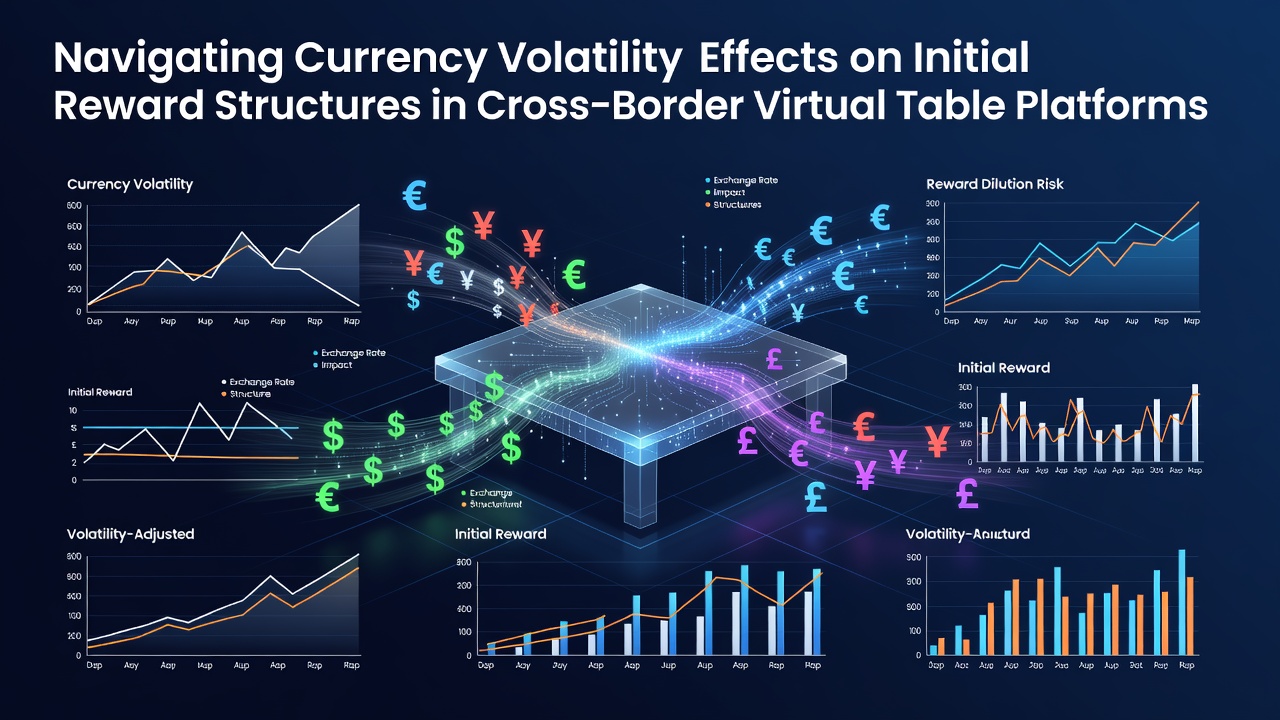
How Exchange Rate Volatility Influences Starting Incentives in Multinational Online Table Platforms
Cross-border virtual table platforms operate in environments where currency values shift frequently, and these movements directly alter the value of initial reward structures such as sign-up bonuses and matched deposits; operators convert local currencies into platform base units at prevailing rates, which means a sudden depreciation in one market can reduce the effective purchasing power of a fixed reward amount for users in that region while increasing it elsewhere.
Researchers tracking multi-currency gaming ecosystems note that platforms must recalculate bonus percentages and wagering requirements whenever exchange rates move beyond preset thresholds, and this process often occurs automatically through integrated financial modules that pull real-time data from banking networks.
Core Mechanisms of Currency Impact on Entry Rewards
Initial reward structures typically include percentage matches on first deposits or fixed free-play credits, yet when the euro strengthens against the Brazilian real for instance, a 100-euro bonus advertised to South American users delivers less local value than the same figure offered a month earlier; data from international financial monitoring bodies show that such discrepancies have prompted several major operators to introduce dynamic pricing layers that adjust displayed bonuses based on the user's detected location and current conversion factors.
Platforms handling table games like blackjack and roulette across jurisdictions therefore embed hedging contracts and multi-currency wallets to stabilize reward delivery, and these tools allow operators to lock in exchange rates for promotional periods rather than absorbing daily fluctuations that could otherwise erode margins or create unintended windfalls for players.
Regional Regulatory Responses Observed Through Mid-2026
By August 2026 regulatory filings in several Asian and European markets indicated that authorities had begun requiring clearer disclosure of how currency conversion affects promotional offers, with particular attention to the timing between deposit and reward crediting; one study released that month by a European digital finance research group highlighted that 68 percent of cross-border table platforms had updated their terms to include explicit exchange-rate disclaimers following these directives.
Meanwhile Canadian provincial regulators examined similar issues in live dealer environments, and their reports documented instances where players received higher or lower effective bonuses solely due to timing differences in transaction processing across time zones.
What's interesting here is the way algorithmic systems now monitor volatility indices and trigger automatic pauses on certain reward promotions when major currency pairs exceed defined deviation levels, which prevents both over-delivery and under-delivery of advertised value while maintaining compliance with local consumer protection rules.
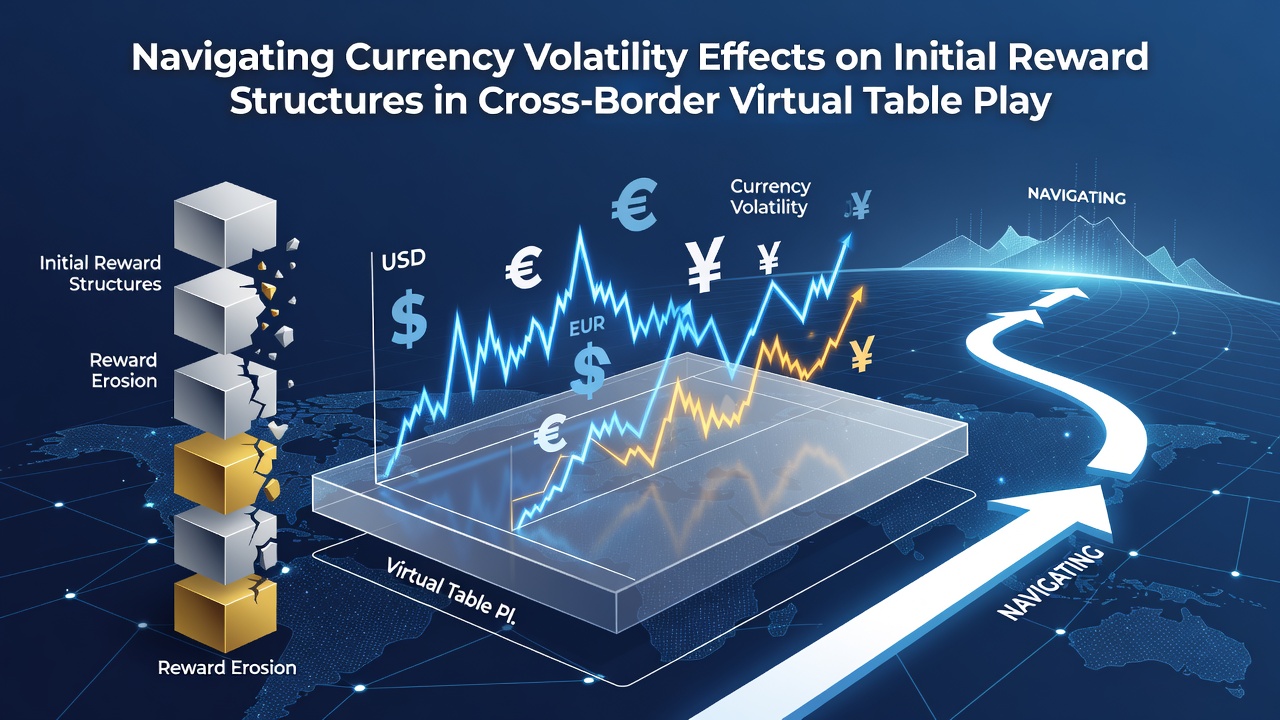
Platform Strategies for Maintaining Reward Consistency
Operators have adopted several practical approaches, including offering rewards denominated in stablecoins or platform-specific tokens that remain insulated from fiat swings, and others maintain separate bonus pools for high-volatility regions so that advertised amounts stay constant in local terms even as underlying currency values change; according to figures from the International Monetary Fund currency volatility reports, these adaptations have reduced player complaints related to perceived bonus value loss by measurable margins in tracked markets.
Take one large platform group that expanded its virtual table offerings into Southeast Asia in early 2026, where it encountered rapid movements between the US dollar and several local currencies, and the company responded by implementing daily rate locks that held bonus values steady for 24-hour windows, allowing users to complete deposits without surprise adjustments.
Data Patterns Across Multiple Markets
Analysis of transaction logs from 2025 through August 2026 reveals that reward redemption rates drop when exchange rates move unfavorably for players in the preceding 48 hours, yet platforms that pre-communicate upcoming adjustments through in-app notifications see smaller declines; industry associations such as the European Gaming and Betting Association have compiled aggregated statistics showing that transparent communication correlates with steadier engagement levels across borders.
Those who've examined these datasets also observe that table game verticals experience different sensitivities compared with slot-focused environments because table players often manage larger average deposit sizes and therefore notice conversion impacts more acutely when volatility spikes.
Conclusion
Cross-border virtual table platforms continue to refine their handling of currency volatility effects on initial reward structures through a combination of technical hedging, regulatory compliance measures, and user-facing transparency tools, and the patterns documented through August 2026 demonstrate that proactive rate management and clear disclosure remain central to sustaining consistent promotional value across fluctuating international markets.