How Algorithmic Scoring Frameworks Influence Selections of Entry Incentives Across Digital Entertainment Platforms

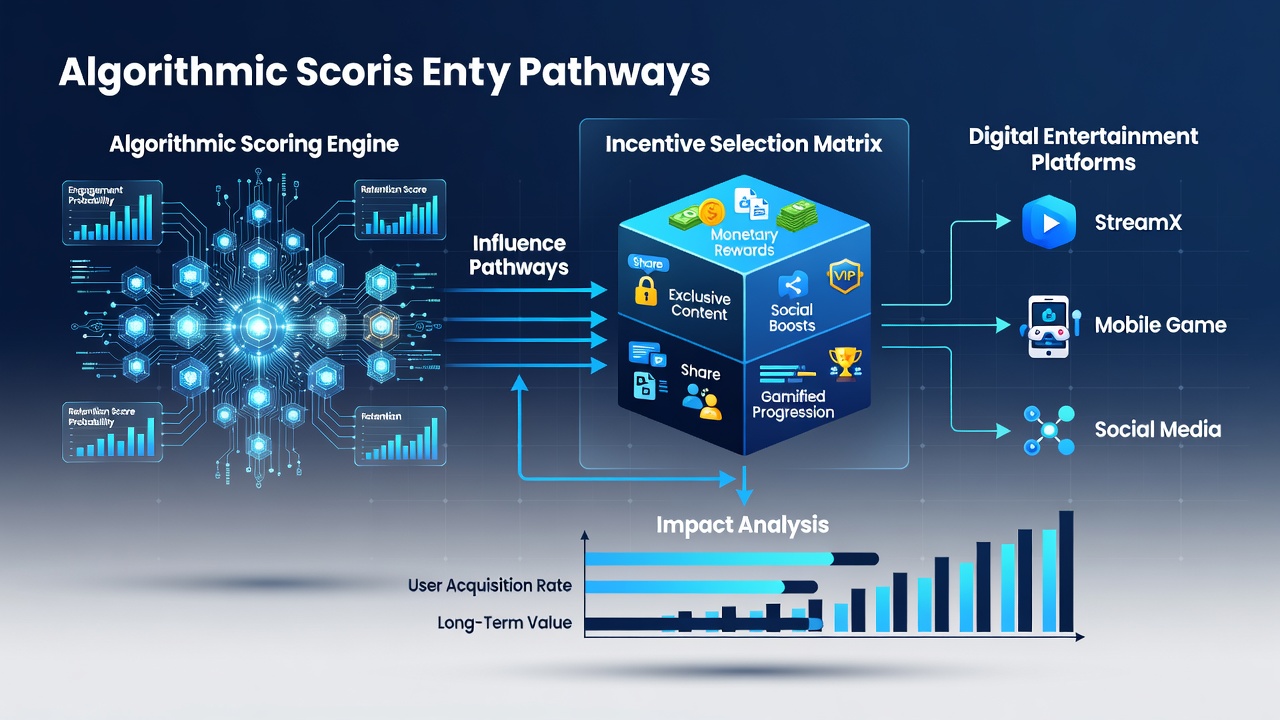
Algorithmic scoring frameworks process vast datasets from user interactions on digital entertainment platforms, assigning numerical values that determine which entry incentives appear in individual accounts, and these systems draw from patterns in play frequency, deposit history, and engagement metrics to prioritize offers such as matched deposits or free credits. Observers note that platforms integrate machine learning models to refine these scores in real time, allowing adjustments based on recent activity rather than static profiles alone.
Core Components of Scoring Systems
Platforms collect signals including session duration, game type preferences, and transaction velocity, then feed this information into layered algorithms that output risk-adjusted incentive tiers, whereas simpler models rely on basic thresholds like total spend while advanced versions incorporate predictive elements for future behavior. Data from industry reports shows that scoring accuracy improves when platforms combine behavioral logs with device identifiers and geographic indicators, creating profiles that segment users into categories eligible for different promotional structures. Researchers at academic institutions have documented how these frameworks reduce indiscriminate distribution of incentives, focusing resources on segments projected to generate sustained activity.
Regional Adaptations in Scoring Logic
Regulatory environments shape how platforms deploy scoring tools, with authorities in North America requiring transparency reports that detail incentive allocation criteria while European frameworks emphasize data minimization principles during score calculations. As of June 2026, several jurisdictions updated compliance guidelines to address algorithmic bias in incentive targeting, prompting operators to audit models for fairness across demographic groups. One study from a Canadian research consortium revealed that platforms adjusting scores for regional spending norms achieved higher retention rates without increasing overall promotional budgets.
Entry incentives often include time-limited credits or bonus rounds, and scoring frameworks evaluate user eligibility by weighing factors like previous redemption rates against projected lifetime value, which allows platforms to withhold high-value offers from accounts showing low engagement signals. Those who've examined platform architectures describe how feedback loops update scores after each interaction, enabling rapid shifts from conservative to generous incentive sets when activity spikes occur.
Impact on User Access Patterns
Users encounter varying incentive menus depending on their assigned scores, and this segmentation influences exploration of new game titles or platform features because tailored offers align with demonstrated preferences rather than generic promotions. Figures from the Australian Communications and Media Authority indicate that algorithmic targeting correlates with increased uptake of entry-level rewards in markets where platforms operate under structured oversight. Yet the same data highlights instances where score recalibrations following policy changes led to temporary drops in offer visibility for certain user cohorts.
Cross-platform comparisons demonstrate that scoring frameworks integrated with payment gateways can accelerate incentive delivery, routing qualified accounts toward instant credit options while routing others through verification steps that delay access. Industry associations tracking these developments report that such integrations appear most frequently in mobile environments, where real-time data streams support dynamic score adjustments during active sessions.
Technical Evolution and Data Integration
Recent advancements incorporate natural language processing to analyze support interactions and chat logs, adding qualitative layers to quantitative scores that previously focused solely on numerical metrics. This expansion allows platforms to identify users who respond positively to specific incentive language, refining selection criteria accordingly. A collaborative report issued by European research bodies in early 2026 outlined how hybrid models blending behavioral and textual data produced more precise incentive matching compared to legacy systems.
Platforms also test ensemble methods that combine multiple scoring algorithms, averaging outputs to mitigate volatility from single-model predictions, and this approach has gained traction in competitive markets where small differences in offer timing affect user retention. Observers note that testing environments simulate user cohorts to validate these ensembles before live deployment, reducing unintended exclusions from entry incentive pools.
Conclusion
Algorithmic scoring frameworks continue to evolve as central mechanisms for incentive distribution across digital entertainment platforms, with ongoing refinements driven by regulatory updates and technical capabilities. Data indicates that these systems shape user experiences through targeted allocations rather than uniform offerings, and continued monitoring from diverse regional authorities supports balanced implementation. The interplay between scoring logic and incentive selection remains a focal point for platform operators seeking efficient resource use while meeting compliance standards in expanding markets.