Global Regulatory Alignments Determining Promotional Eligibility Periods in Mobile Table Game Environments
Portable interactive table setups have expanded rapidly in recent years, and operators must align bonus structures with overlapping compliance requirements that shift from one jurisdiction to the next. These layers include licensing conditions, player verification mandates, and time-bound restrictions on promotional offers that apply once a user crosses into a new regulatory zone.
Understanding the Core Compliance Mechanisms
Each region imposes distinct windows during which bonus eligibility can be activated, and these windows often depend on how quickly an operator completes identity checks and fund sourcing verifications. Data from multiple regulatory filings shows that delays in cross-border data sharing frequently extend the period before a player gains access to time-sensitive rewards. Operators track these variables through automated systems that flag when a portable device registers activity in a secondary jurisdiction.
Research indicates that European frameworks, such as those administered by the Malta Gaming Authority, require operators to freeze bonus timers until full multi-factor authentication clears across borders. Similar patterns appear in Canadian provincial rules where the Alcohol and Gaming Commission of Ontario enforces strict synchronization between device location data and promotional calendars. When these systems detect a mismatch, eligibility pauses until the player re-verifies within the original territory or accepts adjusted terms in the new one.
Device Portability and Location-Based Triggers
Portable setups introduce additional variables because GPS signals, IP routing, and network handoffs can trigger reclassification mid-session. Observers note that July 2026 updates in several Asia-Pacific markets introduced mandatory real-time geofencing protocols that reset bonus countdowns whenever a session migrates across recognized borders. These protocols connect directly to centralized databases maintained by national gaming commissions, creating a unified timeline that all licensed operators must respect.
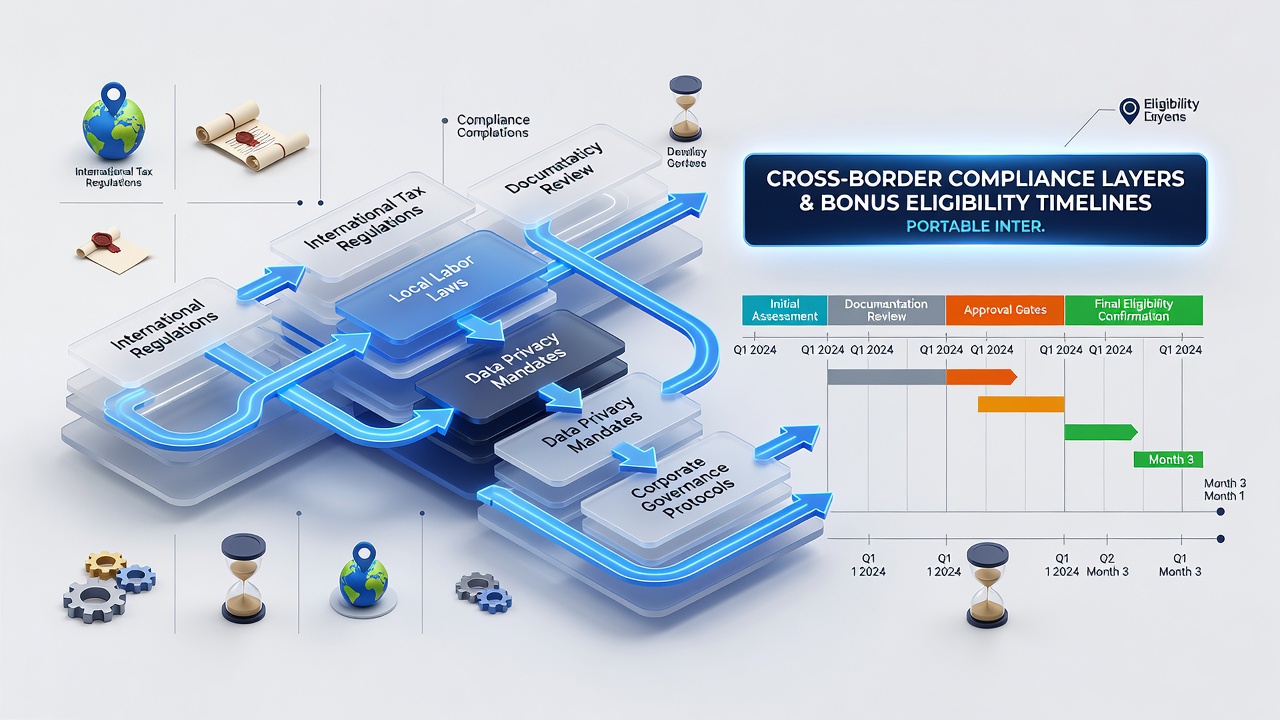
One study released by the International Centre for Gaming Regulation examined 14 operators and found that average bonus eligibility periods shortened by 18 percent after new portability rules took effect. The same report highlighted how operators now embed compliance layers into the game client itself, so the portable table interface displays updated timelines the moment a location change registers. Players receive notifications through the same interface rather than separate emails or account portals.
Interconnected Verification and Timeline Adjustments
Verification protocols rarely operate in isolation. When a user initiates a session on a portable device, the system must reconcile data from the home jurisdiction with any secondary rules that apply at the current location. According to figures released by the New Zealand Department of Internal Affairs, operators that integrate these checks at the network level reduce eligibility disputes by nearly one-third compared with those relying on post-session audits.
Multi-regional platforms often maintain separate ledgers for each active territory, and bonus clocks advance only when both ledgers confirm compliance. This dual-ledger approach prevents accidental activation of offers that would violate one set of rules while satisfying another. Industry associations such as the World Lottery Association have published guidance documents that encourage standardized APIs for these ledger handoffs, allowing faster reconciliation without exposing sensitive player data.
Case Examples from Recent Regulatory Shifts
Take one operator that expanded portable table offerings into multiple Australian states in early 2026. State-level rules required that any bonus eligibility window reset upon crossing state lines unless the player had completed a fresh responsible-gambling assessment within the prior seven days. The company adjusted its client software to poll location data every 90 seconds and surface the revised timeline inside the game lobby, resulting in fewer support tickets related to expired offers.
Another example involves a platform serving both Canadian provinces and select U.S. tribal jurisdictions. Because each side maintains independent self-exclusion registries, the operator built a reconciliation layer that pauses bonus timers the instant a player appears on either list. This mechanism, described in a joint white paper issued by the Canadian Gaming Association, illustrates how cross-border data sharing directly dictates the length of promotional access periods.
Conclusion
Cross-border compliance layers continue to shape the precise moments when bonus eligibility begins and ends for users of portable interactive table setups. Operators that synchronize verification systems, location services, and jurisdictional ledgers maintain smoother operations while meeting the distinct requirements of each market. As regulatory frameworks evolve, particularly with the July 2026 updates already influencing several regions, these technical alignments remain central to delivering consistent promotional experiences across mobile environments.