Encryption Protocols Shaping Bonus Availability in Cross-Regional Mobile Wagering Systems
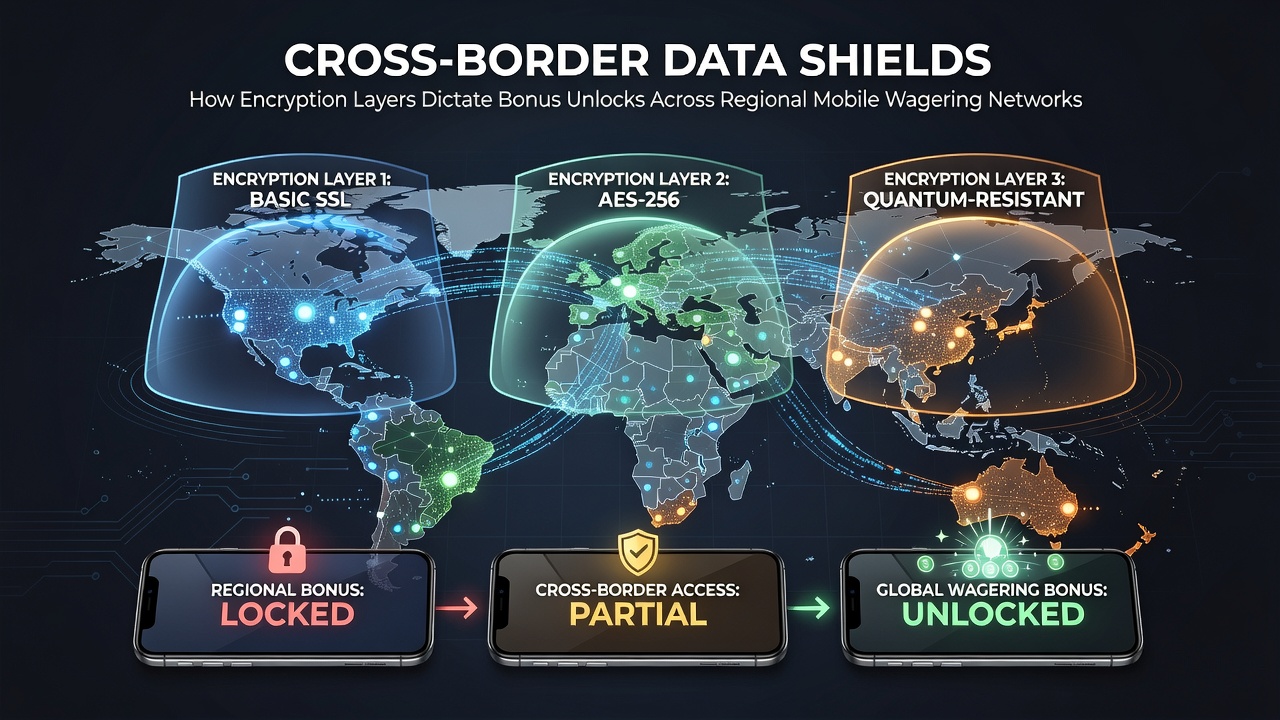
Regional mobile wagering networks operate under varying data protection requirements that rely on encryption layers to secure user information while determining access to promotional unlocks, and these mechanisms create distinct pathways for bonus availability depending on jurisdictional rules. Operators implement multiple tiers of cryptographic protection to comply with cross-border regulations, which in turn affects how and when players can activate rewards in mobile environments. Data from regulatory sources shows that encryption standards directly influence the timing and eligibility criteria for bonus releases across different markets.
Regional Compliance Layers and Cryptographic Requirements
European frameworks such as the General Data Protection Regulation establish strict standards for personal data handling in digital gaming platforms, requiring end-to-end encryption that segments user profiles and transaction histories into protected zones, and this segmentation often delays or modifies bonus unlock sequences until verification protocols complete. In contrast, North American jurisdictions apply state-specific guidelines that integrate encryption with real-time compliance checks, allowing certain promotional features to activate once initial data shields confirm geographic eligibility. Observers note that these differences produce uneven access patterns where players in one region may receive immediate reward notifications while those in another encounter extended processing periods tied to encryption handshakes.
Technical Implementation Across Networks
Mobile applications use AES-256 encryption combined with TLS 1.3 protocols to create protective barriers around account data, and these layers interact with regional servers to validate bonus eligibility before any unlock occurs. Researchers have documented cases where mismatched encryption configurations between jurisdictions result in temporary holds on promotional credits until additional authentication steps resolve the discrepancy. Network operators adjust their systems to accommodate both high-security environments and those with more flexible standards, which produces varied user experiences documented in industry reports from July 2026 onward.
Payment and reward systems synchronize with these encryption protocols so that bonus unlocks align with completed data transfers, and this synchronization prevents premature access that could violate local statutes. Figures from compliance audits reveal that platforms maintaining consistent encryption across borders achieve higher rates of successful promotional deliveries without regulatory interruptions.
Impact on Player Access and Promotional Structures
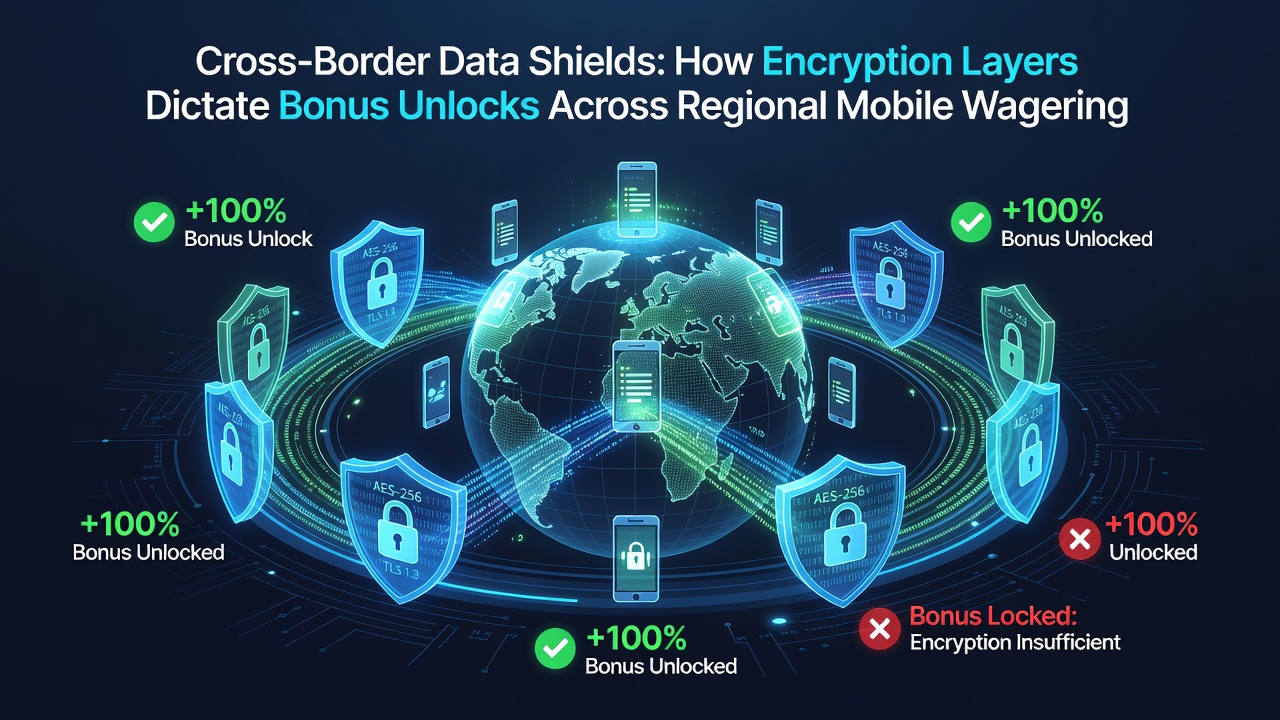
Players encounter different bonus activation thresholds because encryption layers enforce region-specific data residency rules, and these rules require certain information to remain within designated geographic boundaries before rewards become available. Studies conducted by academic institutions indicate that stronger encryption implementations correlate with more granular control over when bonuses unlock, reducing instances of cross-jurisdictional data leakage. Yet operators must balance security demands against user convenience, resulting in tiered access models where basic encryption permits limited rewards while advanced layers enable full promotional suites.
Regulatory bodies in Australia and Canada have issued guidelines that tie encryption strength directly to the approval of bonus mechanisms, and these guidelines encourage platforms to adopt adaptive cryptographic solutions that respond to real-time jurisdictional signals. Data indicates that such adaptations allow networks to maintain compliance while delivering consistent reward experiences to users who travel between regions. One documented example involves a platform that adjusted its encryption handshake process in response to updated Canadian standards, which subsequently streamlined bonus unlocks for users in multiple provinces by July 2026.
Future Developments in Cross-Border Data Handling
Industry organizations continue to examine how emerging encryption technologies will further shape bonus structures across mobile wagering networks, and ongoing projects focus on quantum-resistant algorithms that could add another layer of protection without disrupting existing unlock sequences. Reports from research institutions highlight that platforms investing in unified encryption frameworks experience fewer compliance conflicts when expanding into new markets. Those who have studied these systems note that seamless integration of data shields with promotional engines remains a priority for operators seeking to operate across multiple regions simultaneously.
Conclusion
Encryption layers serve as gatekeepers that align bonus availability with regional data protection mandates in mobile wagering environments, and the resulting structures create predictable yet varied access patterns for users depending on their location. Continued refinement of these protocols supports both regulatory adherence and operational efficiency across international networks.