Decoding Interconnected Loyalty Structures Across Multi-Regional Digital Wagering Networks
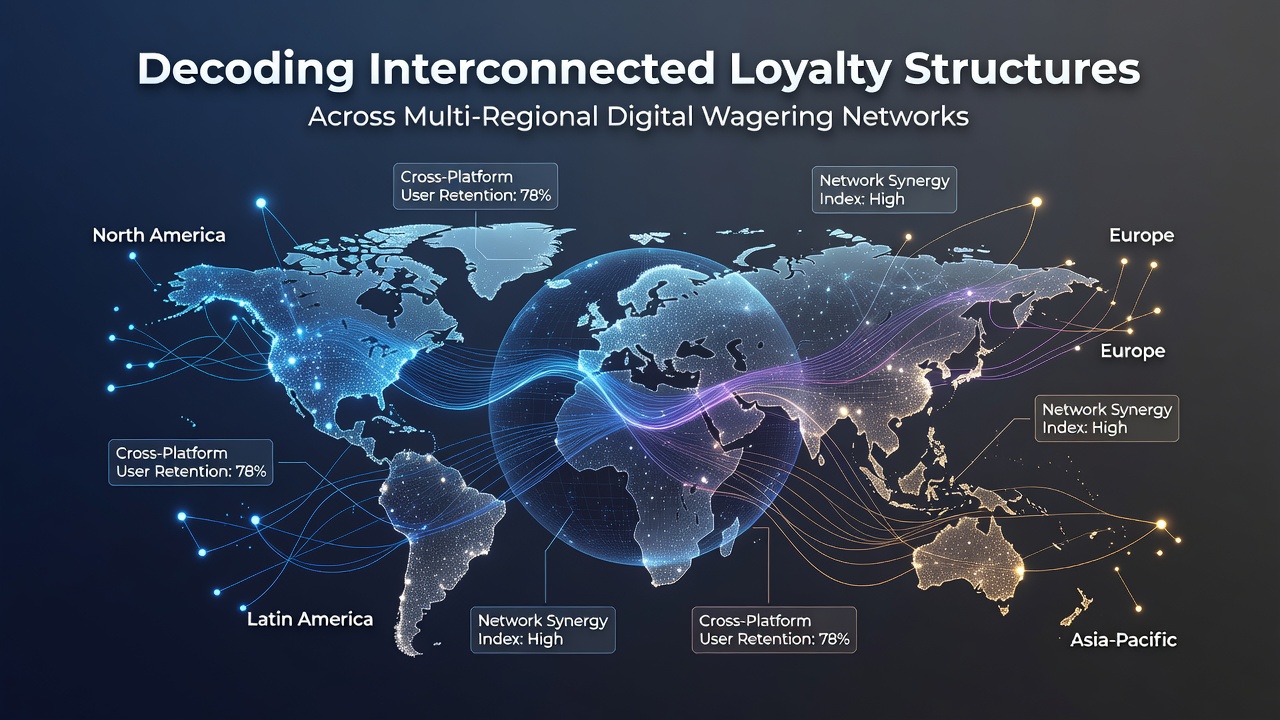
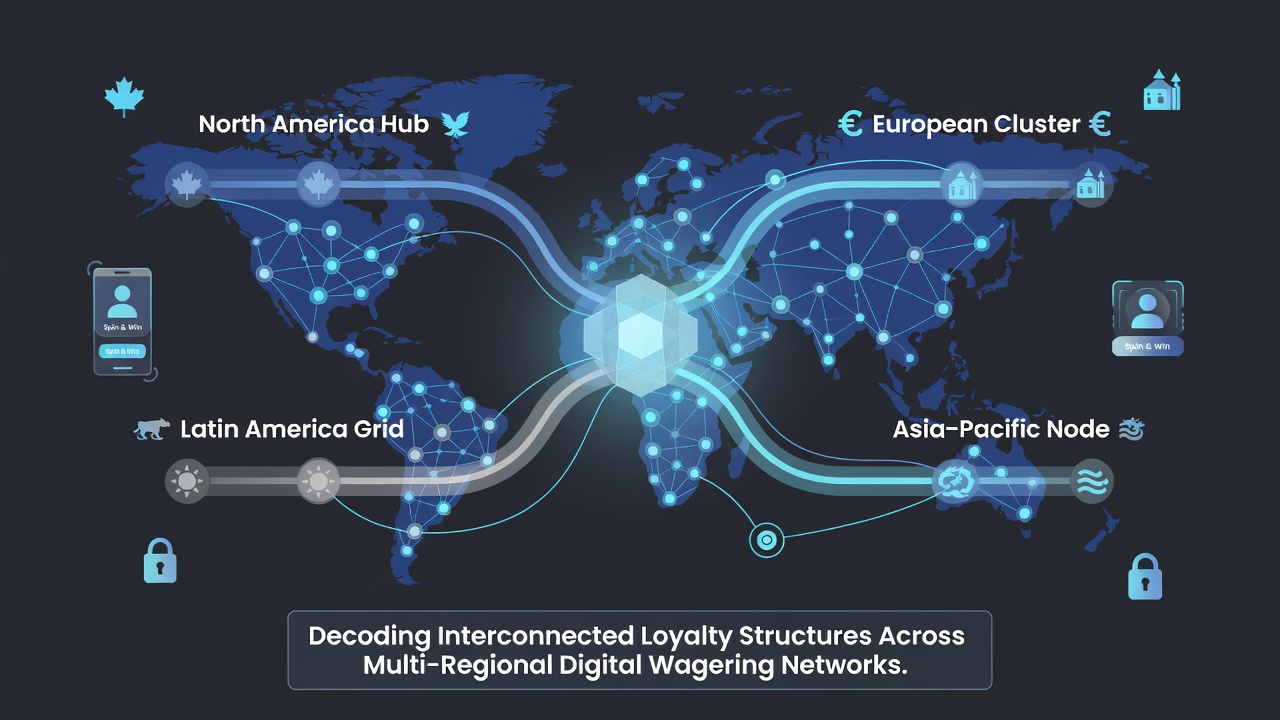
Digital wagering networks have developed loyalty structures that link user accounts across different regions, allowing points earned in one jurisdiction to interact with rewards offered in another while operators maintain separate compliance layers for each market. These systems track activity through centralized databases that synchronize with local regulatory requirements, and operators adjust accrual rates based on regional player volumes and tax obligations.
Core Components of Multi-Regional Loyalty Systems
Loyalty frameworks in these networks typically consist of tiered levels that determine access to bonuses, cashback percentages, and exclusive event invitations, and data from multiple platforms feeds into a single profile that updates in real time. Operators use standardized metrics such as total wager volume and session frequency to calculate progress, yet each region applies its own multipliers or caps to reflect local market conditions and licensing rules.
Research from university studies on gaming behavior shows that users who participate across borders often accumulate points faster when networks share authentication protocols, and this interconnection reduces duplicate account creation while preserving separate ledgers for tax reporting. One example involves platforms that convert loyalty currency at fixed exchange rates tied to currency fluctuations, allowing seamless redemption in different locales without manual intervention.
Technical Integration Across Jurisdictions
Interconnected systems rely on application programming interfaces that pull transaction data from regional servers and consolidate it into a unified dashboard, and encryption protocols ensure that personal identifiers remain segmented to meet data protection standards in each area. Algorithms adjust reward eligibility based on the user's primary registration region, preventing conflicts when a player accesses services from secondary locations.
Figures from industry reports indicate that such integrations have expanded since 2024, with operators reporting higher retention rates when loyalty balances transfer automatically between licensed entities. Those who study these networks note that middleware layers handle currency conversion and regulatory flags, while backend systems log every cross-border point movement for audit purposes.
Regulatory Influences on Point Sharing
Regional authorities impose distinct rules on how loyalty programs can advertise or distribute benefits, and operators must embed compliance checks into the core architecture before points can move between networks. As of June 2026, updates in several North American and European licensing frameworks have required additional verification steps for cross-border redemptions, leading to enhanced tracking modules that flag high-volume transfers.
According to the Nevada Gaming Control Board, licensed operators must maintain separate accounting trails for loyalty liabilities tied to in-state activity, even when points originate elsewhere. Similar requirements appear in other markets, where regulators review the algorithms that determine tier advancement to ensure they do not favor users from less restricted jurisdictions.
Data Analytics and Reward Optimization
Operators apply machine learning models to predict which reward structures will drive engagement across regions, and these models incorporate variables such as average deposit size, game preference, and login patterns segmented by geography. The resulting insights allow networks to fine-tune point multipliers without violating any single market's promotional guidelines.
Evidence from gaming association analyses reveals that interconnected programs have increased average user lifetime value when analytics align rewards with peak activity periods in each region. Observers note that segmentation by device type and session length further refines these predictions, enabling targeted offers that respect local spending limits.
Future Developments in Network Connectivity
Industry groups continue to explore standardized protocols for loyalty data exchange that would simplify transfers while preserving each region's oversight mechanisms, and pilot programs have tested blockchain-based ledgers for immutable point records. These efforts aim to reduce reconciliation errors that arise when multiple platforms update the same user profile simultaneously.
The European Gaming and Betting Association has published guidelines on interoperability that emphasize transparent fee structures for point conversions, and operators following these recommendations report fewer disputes over expired or transferred balances. Additional testing in Asia-Pacific markets has examined how seasonal events in one region can trigger bonus opportunities visible to users in connected networks.
Conclusion
Interconnected loyalty structures in multi-regional digital wagering networks combine tiered rewards with real-time data synchronization while operators navigate distinct regulatory environments. Technical integrations and analytics tools support point movement across borders, yet compliance requirements continue to shape how these systems evolve. As networks expand, the focus remains on maintaining accurate ledgers and region-specific controls that support both user activity and licensing obligations.