Clustering Algorithms Redefining Promotional Reach in Cross-Border Mobile Betting Platforms
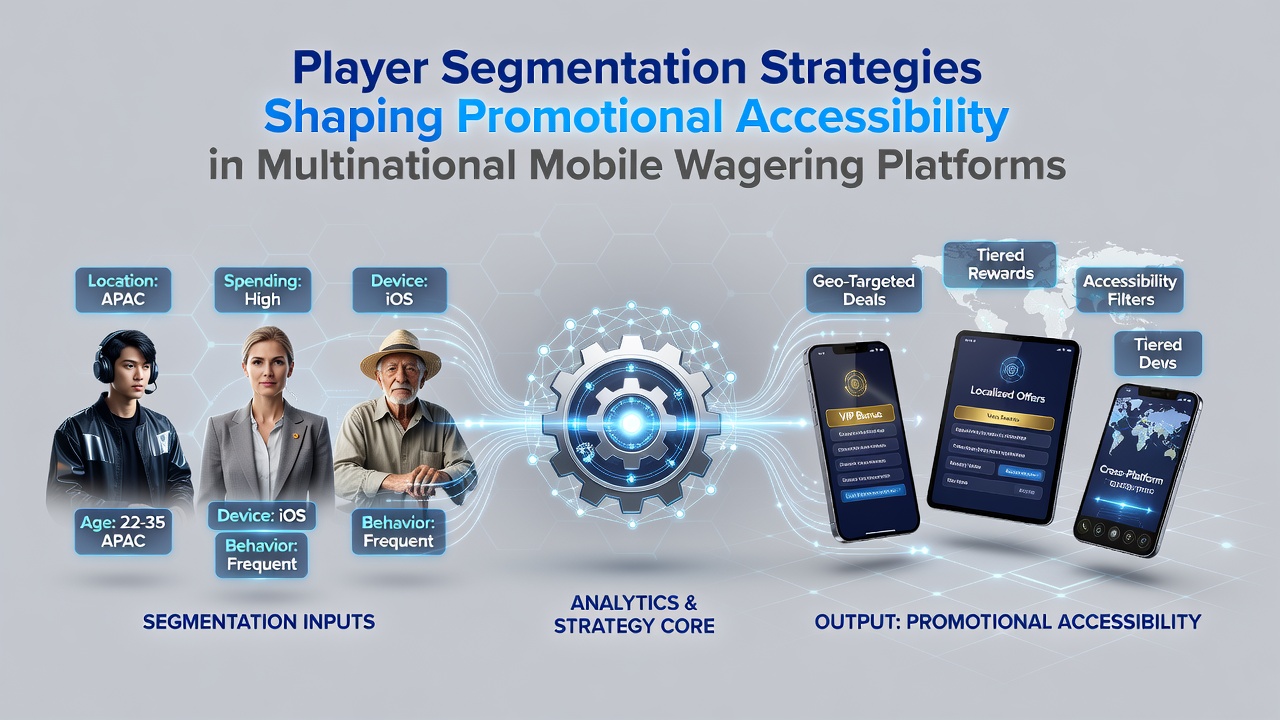
Player segmentation relies on data-driven clustering methods that group users according to betting frequency, deposit patterns, geographic location, and device usage metrics in multinational mobile wagering environments. These techniques allow platforms to route specific promotional offers toward defined cohorts while maintaining compliance with varying regional rules. In July 2026 several operators reported expanded use of machine learning models that update segments in real time as new transaction data arrives.
Behavioral signals such as session length, game type preference, and response rates to previous offers form the core inputs for most systems. Platforms combine these signals with demographic layers including age brackets and preferred payment methods. The resulting clusters determine whether a user sees free spins, deposit matches, or cashback tiers during any given session. Researchers at several European universities have documented how these models reduce promotional waste by limiting exposure to users unlikely to engage.
Core Segmentation Variables in Mobile Wagering
Operators typically track five primary variable sets when building segments. Transaction velocity covers deposit size and frequency. Engagement depth measures time spent on specific table or slot titles. Risk tolerance indicators come from volatility preferences in game selection. Geographic compliance flags track licensing jurisdictions that govern each account. Device and network data capture operating system versions plus connection stability. These inputs feed into algorithms that assign users to dynamic groups updated daily or even hourly.
Regional Compliance Layers Affecting Segment Rules
Multinational platforms must align segments with local regulations that differ sharply between markets. Australian authorities require clear separation between promotional messaging and responsible gambling tools. Canadian provincial frameworks emphasize age verification tied directly to segment eligibility. Data from the Australian Gambling Research Centre shows that operators adjusting segment thresholds quarterly maintain higher retention across state lines. Similar patterns appear in reports covering North American expansion during 2026.
Segmentation also influences how quickly users gain access to escalating reward ladders. High-frequency clusters often receive accelerated progression to loyalty tiers, while lower-activity groups encounter slower unlock schedules. This structure keeps promotional budgets focused yet avoids blanket distribution that could trigger regulatory scrutiny.
Algorithmic Updates and Real-Time Adjustments
Many platforms now employ streaming analytics pipelines that refresh segment membership within minutes of new activity. A user completing three consecutive high-stake rounds might shift from a standard bonus cluster into a premium offer group automatically. These shifts occur without manual intervention because predefined rule engines evaluate incoming data against compliance boundaries. Industry observers note that such automation became more common after several operators scaled operations across additional European and Asian jurisdictions in early 2026.

Testing of new segmentation rules typically occurs through controlled A/B deployments limited to small percentages of each cluster. Metrics tracked include redemption rates, average bet size post-offer, and churn signals measured thirty days later. Platforms share aggregated findings through trade associations such as the European Gaming and Betting Association, which publishes periodic summaries of methodology improvements without disclosing proprietary model details.
Impact on Promotional Accessibility Timelines
Users in high-value segments frequently encounter deposit-match offers within the first session after registration. Those placed in entry-level groups may wait until completing verification steps or reaching minimum activity thresholds before seeing comparable incentives. This staggered approach stems directly from segmentation logic rather than account age alone. July 2026 data releases from multiple operators indicated that refined clustering correlated with measurable lifts in conversion from free-to-paid users across several markets.
Payment method preferences further refine segment boundaries. Accounts funded through digital wallets often receive different cashback structures than those using bank transfers. The distinction arises because wallet-linked transactions carry distinct fee profiles and settlement speeds that affect overall platform economics. Segmentation engines incorporate these cost factors when calculating offer margins for each group.
Future Refinements Expected by Late 2026
Developers continue exploring graph-based clustering that maps social connections between accounts alongside individual behavior. Early pilots suggest these methods can identify coordinated play patterns that traditional segmentation overlooks. Regulatory bodies in multiple regions have requested transparency reports on how such models affect promotional fairness. Platforms that publish clear segment criteria and appeal processes tend to encounter fewer compliance queries during routine audits.
Conclusion
Clustering algorithms now serve as the primary mechanism controlling which promotional offers reach specific users on multinational mobile wagering platforms. The approach integrates behavioral, demographic, and compliance data into dynamic groups that update continuously. As markets expand through July 2026 and beyond, operators refine these systems to balance revenue goals against regulatory expectations across jurisdictions. The result is a more targeted distribution of rewards that reflects both player activity and regional legal frameworks.