Charting Verification Protocol Alignments with Regional Compliance Layers in Digital Gaming Assessments
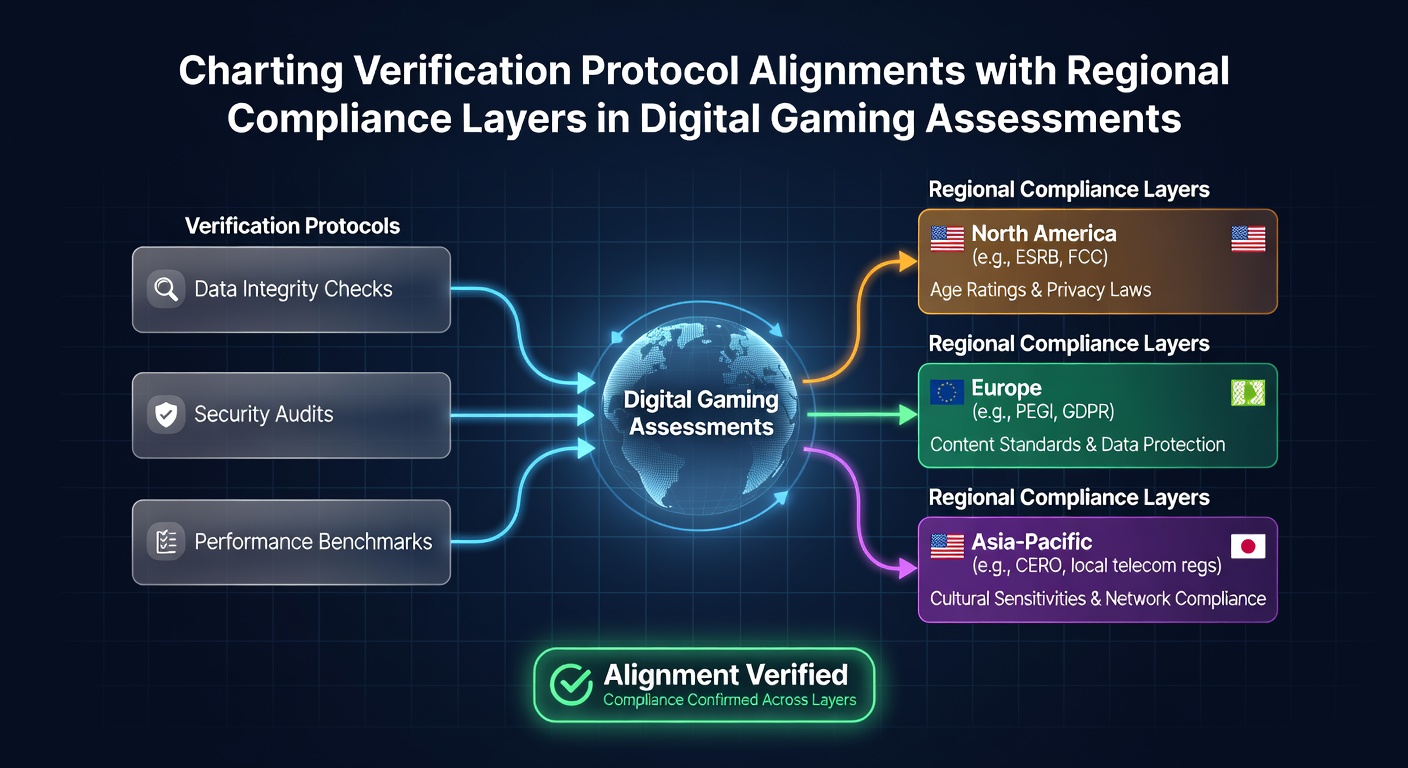
Verification protocol alignments in digital gaming assessments involve mapping technical verification systems to regulatory requirements that differ across jurisdictions, and observers note that these mappings have grown more intricate as platforms expand into multiple markets simultaneously. Research from regulatory bodies indicates that core elements such as identity confirmation, age verification, and transaction monitoring must sync with local statutes while maintaining operational consistency for operators.
Core Components of Verification Protocols
Verification protocols typically incorporate biometric checks, document scanning, and behavioral analytics, yet their implementation shifts based on regional rules, and data from industry reports shows that platforms operating in North America often integrate state-specific address validation alongside federal anti-money laundering standards. Those who've examined cross-border operations find that European frameworks emphasize data protection under GDPR while requiring real-time risk scoring that differs from approaches used in Australian states.
Alignment processes begin with gap analyses that compare protocol features against compliance checklists, and experts have observed that successful mappings reduce audit failures by coordinating data flows between central servers and localized compliance modules. In practice, this means adjusting API endpoints to pull jurisdiction-specific consent forms during user onboarding without disrupting the overall assessment flow.
Regional Compliance Layers and Their Impact
Regional compliance layers function as overlays that modify how verification data is stored, shared, and audited, and figures from the International Association of Gaming Regulators reveal that operators must maintain separate data retention schedules for markets like Ontario and New Jersey. These layers also dictate encryption standards and breach notification timelines, which forces protocol designers to build flexible consent management tools that activate different rulesets based on user location.
Platforms handling assessments across borders frequently employ geo-fencing combined with dynamic protocol selection, and studies indicate this approach helps satisfy both the International Association of Gaming Regulators guidelines and provincial requirements in Canada. What's notable is how these layers interact during peak assessment periods, where simultaneous verifications in multiple regions test the robustness of unified dashboards.
Implementation Challenges in Multi-Jurisdiction Environments
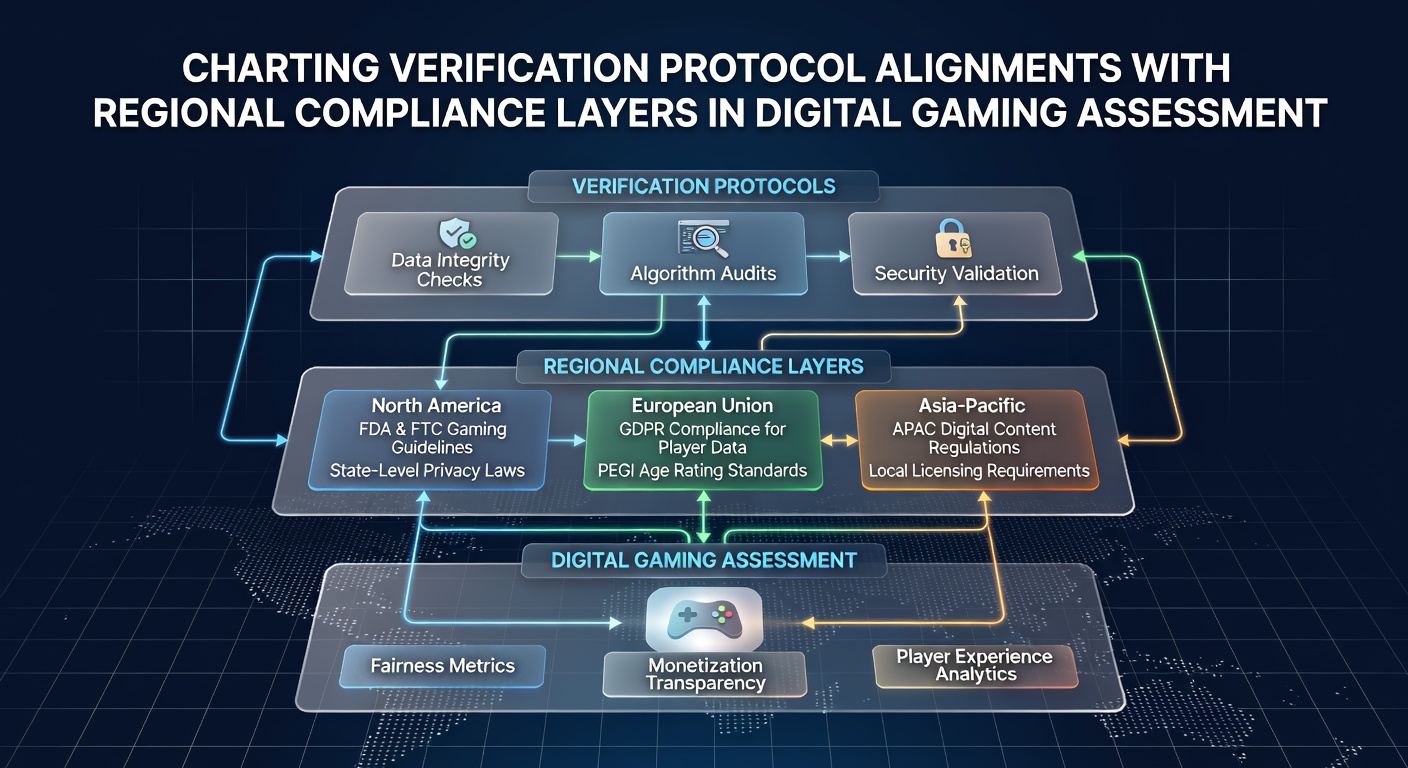
Challenges arise when verification protocols encounter conflicting requirements, such as one region mandating biometric retention for 90 days while another prohibits it after 30 days, and those who've analyzed operational logs report that automated flagging systems help teams resolve these conflicts before they reach regulators. Coordination between legal teams and technical staff becomes essential, particularly when new rules emerge around May 2026 that may affect assessment timelines in several markets.
Training programs for compliance officers now include scenario-based modules that simulate regional protocol switches, and evidence from trade association briefings shows improved response times when staff practice handling edge cases like dual-citizen verifications. The reality is that without these alignments, platforms face increased scrutiny during licensing renewals.
Tools and Methodologies for Mapping Alignments
Mapping tools range from spreadsheet-based matrices to specialized compliance software that visualizes protocol overlaps, and researchers have documented how visual heatmaps highlight areas where regional layers diverge most sharply. Automated comparison engines scan regulatory updates and suggest protocol adjustments, which speeds up the alignment process for teams managing assessments across multiple continents.
Case examples include operators who integrated machine learning classifiers to predict which verification steps will trigger additional regional checks, and data shows these classifiers cut manual review volumes by measurable percentages. Collaboration with academic institutions has produced open-source frameworks that smaller developers adapt for their own alignment projects.
Future Developments and Monitoring Practices
Monitoring practices continue to evolve with the introduction of real-time dashboards that track alignment metrics across all active regions, and reports from European research centers suggest that predictive analytics will soon flag potential misalignments before regulatory changes take effect. Regular cross-functional reviews remain standard, allowing teams to adjust verification flows as new compliance layers are added.
Conclusion
Verification protocol alignments with regional compliance layers represent a foundational requirement for digital gaming assessments that span multiple jurisdictions, and ongoing refinements ensure that platforms can meet varied regulatory expectations while preserving assessment integrity. Continued investment in mapping methodologies and monitoring tools supports consistent performance as the regulatory landscape shifts.