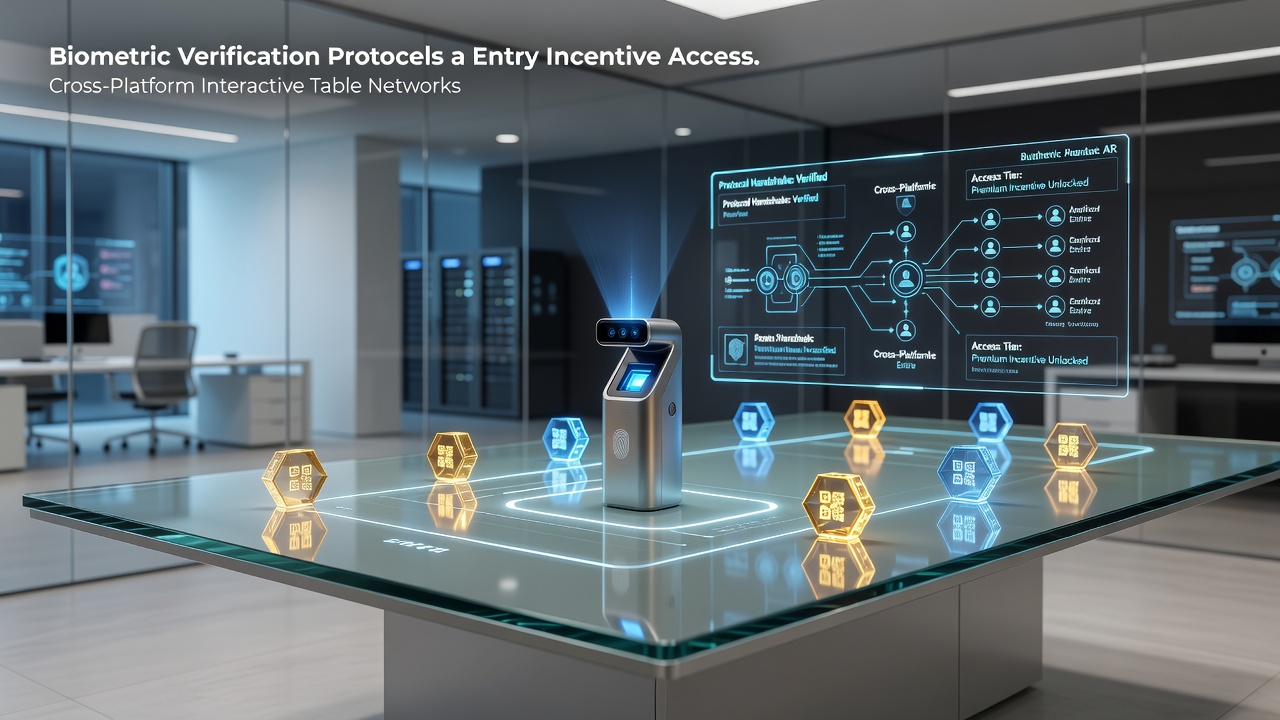
Biometric Verification Protocols and Entry Incentive Access in Cross-Platform Interactive Table Networks
Biometric verification protocols have become central to how operators manage entry incentive access across cross-platform interactive table networks, and data from regulatory filings shows these systems now handle identity checks for millions of daily logins in digital gaming environments. Platforms integrate fingerprint, facial recognition, and voice patterns to confirm user eligibility before releasing entry-level rewards such as deposit matches or table game credits, and this approach reduces duplicate accounts while aligning with compliance requirements that took effect in several jurisdictions by early 2026.
Protocol Integration Across Devices
Operators link biometric data to player profiles so that once a user completes initial enrollment on a desktop or tablet, the same credentials grant access on mobile applications without repeated manual verification steps, and this seamless handoff has grown more common as networks expand their reach into portable interactive table environments. Studies from industry research groups indicate that platforms adopting unified biometric layers report higher retention rates for incentive claims because users encounter fewer interruptions during the login-to-reward sequence.
August 2026 marked a notable shift when multiple operators updated their systems to support cross-device biometric syncing after new technical standards were published by international gaming technology associations, and these changes allowed users in regions with strict licensing rules to claim entry incentives on any authorized device as long as the biometric match remained consistent.
Regulatory Alignment and Data Handling
Regional authorities require that biometric templates stay encrypted and stored separately from financial records, and this separation helps maintain compliance when incentives are distributed across platforms operated under different licenses. Observers note that verification logs now feed directly into audit trails, which simplifies reporting for bodies such as the Alcohol and Gaming Commission of Ontario and the New Jersey Division of Gaming Enforcement.

One study released by the University of Nevada Reno gaming research unit revealed that networks using layered biometric checks experienced a measurable drop in incentive misuse cases during the first half of 2026, and the findings pointed to improved accuracy in confirming that each claimed reward reached an eligible, single account holder rather than automated scripts or shared profiles.
Impact on User Enrollment and Reward Timing
Entry incentives often activate only after biometric confirmation clears, and this timing requirement means new users must complete a scan or facial capture before any table game credits appear in their balance. Networks that introduced optional voice verification alongside facial methods saw enrollment completion times decrease by several minutes on average, according to internal platform metrics shared at industry conferences.
Cross-platform operators also apply risk scoring that combines biometric confidence levels with behavioral signals, and lower confidence scores can delay incentive release until additional checks occur. This process protects promotional budgets while still allowing legitimate users to reach table games once verification passes.
Future Protocol Developments
Developers continue testing privacy-preserving biometric techniques that process data on the device itself rather than transmitting full templates to central servers, and early deployments suggest these methods could further reduce latency when users switch between desktop and mobile table environments. Industry reports project wider adoption of such on-device processing by late 2027 as hardware capabilities improve across consumer tablets and smartphones.
Conclusion
Biometric verification protocols now form an essential layer in determining who gains access to entry incentives within cross-platform interactive table networks, and ongoing refinements continue to balance security needs with user convenience across multiple device types and regulatory landscapes.