Aggregated Feedback Mechanisms Influencing Digital Casino Prioritization
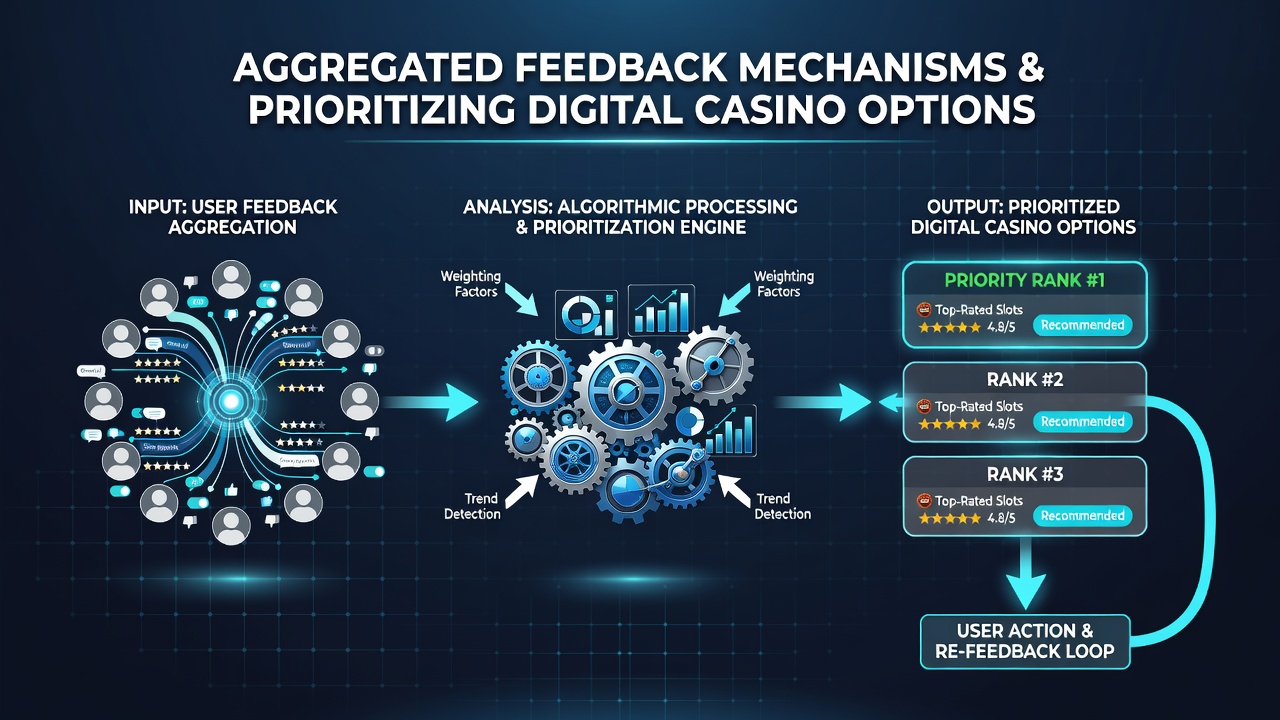
Digital casino platforms have integrated aggregated feedback mechanisms into their core operations since the expansion of online gaming across multiple jurisdictions, and these systems compile user ratings, review compilations, and behavioral data points to guide prioritization decisions. Observers note that platforms collect thousands of individual inputs daily, then process them through algorithms that weigh factors such as payout speed, game variety, and support responsiveness to produce overall scores that influence visibility in search results and recommendation lists. Data from industry tracking indicates that by July 2026 these mechanisms had become standard across regulated markets in North America and parts of Europe, with operators adjusting their feature rollouts based on patterns emerging from the combined datasets.
Core Components of Feedback Aggregation
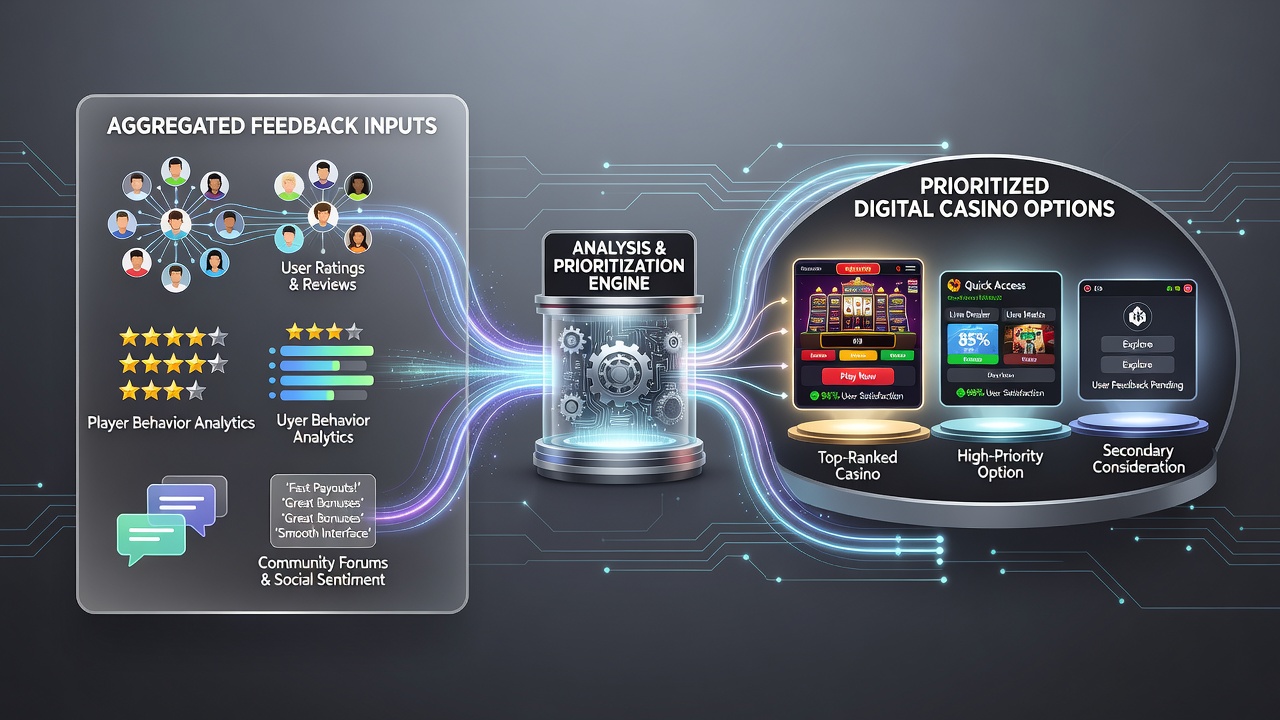
Systems gather quantitative scores alongside qualitative comments from verified users, then normalize the information across categories that include transaction reliability, live dealer performance, and promotional clarity. Researchers have documented how platforms apply statistical weighting to reduce the impact of outlier reviews while elevating consistent trends reported by larger player cohorts. Those who have examined these processes point out that cross-referencing occurs with external data sources such as transaction logs and session durations, which creates a layered view that operators use when deciding which casino options to promote more aggressively to new users. Aggregated outputs often feed directly into ranking formulas that determine placement on lobby pages or in curated recommendation engines.
Effects on Player Selection Patterns
Players frequently rely on these consolidated scores when narrowing down choices among dozens of available digital options, and studies show higher-rated platforms receive disproportionate traffic as a result. Evidence from tracking reports reveals that a single point improvement in an aggregated rating can correlate with measurable increases in registration volume within competitive markets. Operators respond by monitoring feedback clusters that highlight specific pain points, such as delays in withdrawal processing or limited table game selections, then implement targeted updates to address the most common complaints before they affect overall standing. This cycle allows platforms to refine their offerings in real time while users gain clearer signals about which options align with their priorities.
What's interesting is how regional regulatory frameworks interact with these mechanisms, since operators in different jurisdictions must balance aggregated player input against compliance requirements that vary by location. In markets where real-money gaming received authorization in 2026, platforms incorporated additional verification layers into feedback collection to ensure data integrity. Figures from regulatory filings demonstrate that transparent reporting of aggregated scores has become a common practice among licensed entities seeking to maintain player trust.
Operator Strategies and Platform Adjustments
Operators examine aggregated datasets to identify which features drive positive sentiment and which areas require investment, and this analysis directly shapes decisions about game additions, payment integrations, and loyalty program structures. One study revealed that platforms responding quickly to dominant feedback themes experienced sustained improvements in their composite scores over subsequent quarters. Data analytics teams apply clustering techniques to segment feedback by player demographics, allowing more precise adjustments that appeal to distinct user groups without diluting the overall aggregated signal. Those who've studied these dynamics observe that smaller operators sometimes leverage niche feedback patterns to differentiate themselves from larger competitors in crowded marketplaces.
According to a report published by the American Gaming Association, aggregated feedback has influenced how digital platforms allocate marketing resources toward high-performing options while deprioritizing those showing consistent underperformance. The same analysis notes that cross-platform comparisons have grown more sophisticated as feedback systems mature, enabling users to evaluate options across multiple metrics simultaneously. Industry organizations have begun publishing guidelines that encourage standardized feedback categories, which facilitates more reliable aggregation across different regulatory environments.
Verification and Data Integrity Measures
Platforms employ various safeguards to maintain the reliability of aggregated inputs, including identity confirmation for reviewers and automated detection of coordinated rating campaigns. Research indicates that these protections have reduced the prevalence of manipulated scores in major markets by July 2026. External audits of feedback systems occur periodically, and findings from such reviews often inform refinements to weighting algorithms that prioritize recent data while retaining historical context. Observers note that transparent methodologies for aggregation help platforms demonstrate accountability to both regulators and users.
Conclusion
Aggregated feedback mechanisms continue to shape how digital casino options receive prioritization through structured collection and analysis of user inputs combined with operational metrics. The processes connect individual experiences into broader patterns that guide both player decisions and operator responses across evolving regulatory landscapes. As these systems advance, their role in determining platform visibility and feature development remains central to the structure of digital gaming environments.